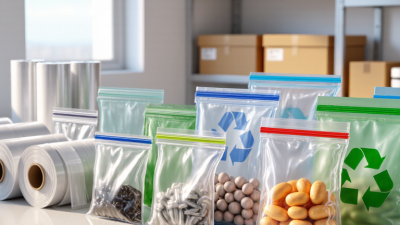
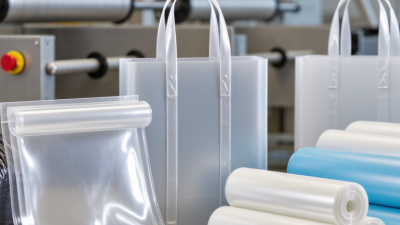
Let's face it: global buyers aren't just after a generic Plastic Bag. They want the right material, the right size, enough strength, and a plan for when it's done being useful. So in this piece, we're breaking down the best plastic bag products—including the popularPlastic Bag Plastic Bag—and how they're used in retail, food, industrial, and e-commerce markets. Okay, so you've got all these different bags—polyethylene, polypropylene, recycled-content, compostable, reusable, even specialty ones. But instead of just listing specs, we break it down by what actually matters when you're buying: practical criteria. So yeah, we're comparing them based on real-world stuff.
Well, you've probably heard of Steve Russell—he's a plastics specialist with the American Chemistry Council, and he once said, 'Plastics are too valuable to throw away.' That's still a good point, even if it doesn't solve every packaging headache. Think about it: a thin LDPE mailer might use less material, but a thicker reusable bag can handle many shopping trips. So which one wins? It all depends on how you actually use it, not on the catchy marketing slogans.
You know, details really do matter. If you're a buyer, you've got to look at stuff like film thickness, how the handles are designed, seal strength, print quality, even the odor and how it performs under load. Because think about it – a grocery bag holding wet veggies is under totally different stress than, say, a garment mailer with folded shirts. Sure, recycled content sounds great for the environment, but you can't just take that at face value. You need to verify the quality and whether the supply is consistent. And compostable bags? They sound like the perfect solution, but in reality, they often need specialized collection and processing systems to actually break down. So honestly, there's no one-size-fits-all winner here.
Now here's where the whole buying thing gets a little uncomfortable. You might grab the cheapest bag, thinking you're saving money, but that could end up costing you more in the long run if it wears out fast. And the toughest, most heavy-duty bag? It might be overkill, using more material than you actually need. Even folks who've been buying for years can get carried away thinking something is sustainable without really checking what happens when it's thrown away. So yeah, if you're shopping around, good suppliers should be upfront about specs, test results, where materials come from, and their production history. It's just common sense, really. So, you’re a global buyer hunting for the right bag? This guide’s here to help you weigh your options—with a good dose of common sense, a little technical savvy, and, honestly, realistic expectations. No fluff, just the practical stuff you need to make a smart call.
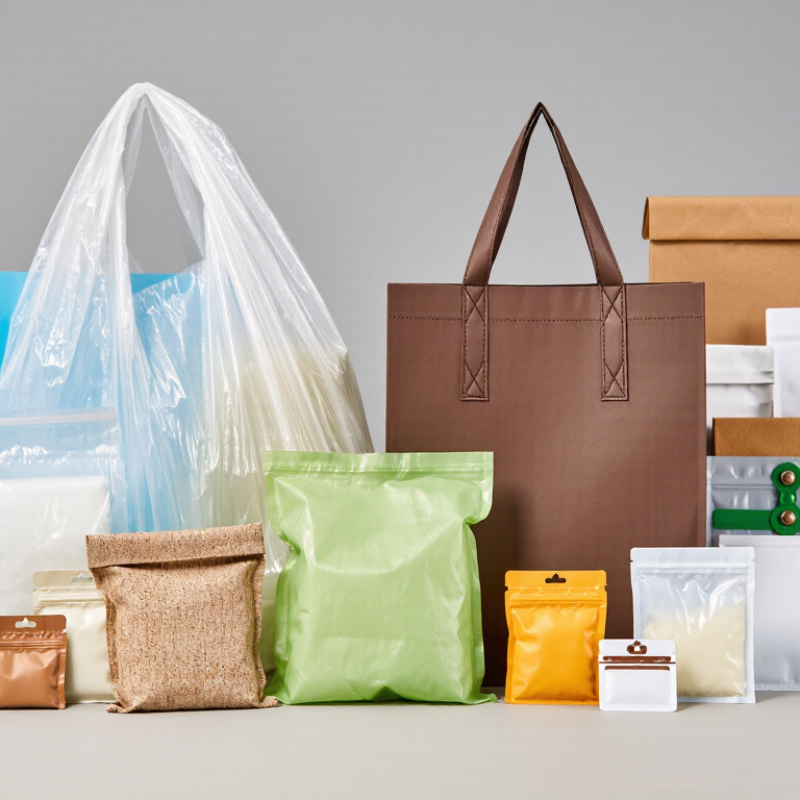
Global buyers need more than a generic plastic bag description. In practical sourcing, the category reveals strength, flexibility, and suitable applications. The best choice depends on product weight, moisture exposure, packing speed, and disposal conditions.
HDPE bags feel crisp and resist punctures well. They suit grocery bags, liners, and lightweight retail packaging.
LDPE bags feel softer and stretch more easily. They work well for frozen goods, garments, and protective wrapping.
LLDPE adds toughness and flexibility, especially where sharp edges may cause stress. PP woven bags provide stronger load support for grains, powders, and industrial materials. They are less soft, but usually more durable.
Bag shape also changes performance. Flat bags save storage space, while gusseted bags hold bulky products better. Drawstring designs improve repeated opening and carrying. A bag’s seal matters too. Weak seals can fail even when the film seems thick.
For buyers comparing a Bag Plastic Bag supplier, request samples, thickness data, load tests, and carton details. Small differences become expensive across a full shipment.
Compostable materials need careful verification. Environmental claims should include recognized test documents and clear disposal conditions. A lower price can look attractive, yet thin film may create more damage and waste.
I still question assumptions during sampling. Real products rarely behave exactly like laboratory samples. Temperature, humidity, and packing machinery can change the result. Reliable purchasing leaves room for these imperfections.
Global buyers often compare polyethylene bags by flexibility, strength, and operating temperature. LDPE bags feel soft and bend easily around irregular products. They suit produce, garments, spare parts, and inner packaging. A clear LDPE pouch can show contents quickly. However, thin film may puncture against sharp edges. That detail is easy to overlook during sampling. Experience from packing trials matters more than appearance alone.
HDPE bags have a crisper feel and higher stiffness. They work well for heavier goods, liners, and retail carry applications where shape matters. Their lower stretch can reduce accidental overfilling. MDPE sits between LDPE and HDPE. It offers moderate flexibility with improved tear resistance. Buyers may choose MDPE for packed components with corners or rough surfaces. Ask for thickness, seal strength, and load testing, not only a material label. A Plastic Plastic Bag made from the wrong grade can split at the seal. It happens.
For international purchasing, request samples from the actual production specification. Check microns, dimensions, color consistency, odor, and recycled-content documentation when relevant. Test bags after heat exposure and during stacking. Warehouse humidity can change handling results. I would also confirm food-contact or other application requirements with qualified local advisers. Standards and import rules differ by destination. Some buyers focus on unit price, then discover higher waste from torn bags. A cheaper quote is not always a lower packaging cost. Maybe the first specification needs revision.
Biodegradable and compostable bags are gaining attention as alternatives for global buyers. Yet these terms are not interchangeable. “Biodegradable” describes breakdown over time, while “compostable” usually requires controlled heat, moisture, oxygen, and microbial activity. A bag may fail to decompose in a backyard pile or landfill.
The OECD Global Plastics Outlook reported 353 million tonnes of plastic waste in 2019, with only 9% recycled. This pressure is encouraging buyers to assess certified compostable films for food scraps, produce, and organic-waste collection. However, performance matters. A thin bag can tear beside a wet kitchen bin, especially after several hours. Buyers should check tensile strength, seal quality, shelf life, and resistance to oils and moisture. Small trials reveal problems earlier.
European Bioplastics and nova-Institute estimated global bioplastics production capacity at about 2.18 million tonnes in 2023, with strong growth expected through 2028. Growth is useful, but disposal systems remain uneven. The UNEP Turning off the Tap report also stresses that waste reduction and reuse must accompany material substitution. This is easy to overlook. Buyers should request third-party certification, such as EN 13432 or ASTM D6400, and confirm local acceptance before ordering. A certified bag still needs the right collection route. That gap deserves more attention.
Industrial compostability benchmarks for biodegradable and compostable bag options
Certified compostable bags are designed to disintegrate within 12 weeks and achieve biodegradation within six months under controlled industrial composting conditions. Conventional polyethylene bags do not have a defined compostability timeframe, while the performance of biodegradable plastic bags depends on their material formulation and certification.
Reference benchmarks: EN 13432 and ASTM D6400 industrial compostability requirements. Actual results depend on temperature, humidity, oxygen levels, and the availability of suitable composting facilities.
Reusable Plastic Bags for Retail and Industrial Applications
Reusable plastic bags serve two very different buying needs. Retail bags should feel comfortable, look clean, and handle repeated shopping trips. Industrial bags need stronger seams, wider gussets, and reliable load performance. Common materials include polyethylene, woven polypropylene, and nonwoven polypropylene. Each option offers different flexibility, strength, and surface texture. A 30-by-40-centimeter bag may suit clothing or groceries. Heavier warehouse goods require thicker film or reinforced woven panels. No single bag is perfect.
Tips: Check the handle design first. It often fails before the body. Request sample testing with the intended load. Inspect stitching, welds, and bottom corners. Ask for material details, thickness tolerance, and batch records. Confirm that the bag matches local packaging requirements. A low quoted price can hide weak construction.
Experienced buyers should test more than appearance. Fill samples with actual cartons, bottles, or packaged products. Carry them across a warehouse floor and lift them repeatedly. Measure stretching after several uses. For retail programs, test printing adhesion and handle comfort. For industrial work, check puncture resistance and seam strength. Supplier documentation improves traceability and purchasing confidence. Still, documents cannot replace physical checks. We have seen attractive bags fail at the corners. That mistake is easy to miss during a quick inspection. Reusable design also depends on realistic cleaning, storage, and return practices. If users discard the bag after one trip, its environmental and economic value becomes questionable.
| Plastic Bag Type | Common Material | Typical Applications | Typical Load Capacity | Durability and Reuse | Moisture and Chemical Resistance | End-of-Life Considerations | Best Fit for Global Buyers |
|---|---|---|---|---|---|---|---|
| Woven PP Shopping Bag | Polypropylene (PP) woven fabric | Grocery shopping, retail promotions, agricultural products, household storage | Approximately 5–20 kg, depending on fabric weight and handle construction | High reuse potential Resists tearing and abrasion when properly constructed | Good resistance to water and many diluted chemicals; not intended for high-temperature use | Can be recycled where PP collection and processing systems are available | Retailers seeking sturdy, lightweight bags for repeated shopping trips |
| Non-Woven PP Tote Bag | Spunbond non-woven polypropylene | Retail packaging, trade events, libraries, apparel and gift packaging | Approximately 3–10 kg, depending on material weight and stitching | Moderate to high reuse Foldable and lightweight; stitched handles generally improve service life | Low water absorption and good resistance to everyday dirt and moisture | PP recycling may be possible when local facilities accept non-woven materials; avoid assuming compostability | Promotional and retail programs requiring economical reusable packaging |
| LDPE Reusable Carry Bag | Low-density polyethylene (LDPE) | Supermarkets, pharmacies, convenience stores, apparel and general retail | Approximately 2–8 kg, depending on film thickness and handle design | Moderate reuse potential Flexible and resistant to cracking; thicker film supports more reuse cycles | Very good moisture resistance and good resistance to many household chemicals | Widely recyclable through suitable polyethylene film programs; collection rules vary by market | Retail buyers needing flexible bags with strong moisture protection |
| HDPE Reusable Vest Bag | High-density polyethylene (HDPE) | Food retail, produce departments, convenience stores and lightweight merchandise | Approximately 2–6 kg, depending on thickness and gusset design | Moderate durability Good tensile strength for its weight; less suitable for sharp or heavy contents | Excellent moisture resistance and good resistance to many water-based chemicals | Can enter HDPE film recycling streams where available; reuse should be prioritized over single use | High-volume retail environments focused on low weight and efficient storage |
| Recycled PE Shopping Bag | Post-consumer or post-industrial recycled PE, sometimes blended with virgin PE | Retail carryout, household organization, promotional packaging and distribution | Approximately 2–10 kg, depending on recycled content and film thickness | Moderate to high reuse Performance depends on recycled content, formulation and manufacturing quality | Generally good moisture resistance; chemical resistance varies with the PE formulation | May be recyclable again through compatible PE film systems; local acceptance must be verified | Buyers seeking reduced reliance on virgin plastic and documented recycled content |
| PP Woven FIBC Bulk Bag | Heavy-duty woven polypropylene | Powders, granules, minerals, chemicals, agricultural commodities and construction materials | Common working loads range from 500–2,000 kg; the certified safe working load must be checked | High industrial reuse potential Designed for controlled lifting, storage and transport applications | Good resistance to moisture and many dry bulk products; liners may be required for fine or sensitive materials | Can be recycled as PP when clean and accepted by an industrial recycling program | Industrial buyers requiring efficient bulk handling and reduced packaging volume |
| Laminated PP Woven Bag | Woven PP with a PP or PE laminate | Animal feed, rice, flour, fertilizer, pet food and moisture-sensitive dry goods | Approximately 10–50 kg, depending on construction and closure system | High durability Strong seams and laminated surfaces improve product protection | Improved resistance to moisture, dust and surface contamination compared with unlaminated woven fabric | Recycling can be more difficult when different polymers or non-plastic components are combined | Packaging buyers needing both high strength and improved barrier performance |
| Drawstring PE Bag | LDPE or LLDPE film | Garment packaging, laundry storage, waste collection and household organization | Approximately 2–15 kg, depending on film thickness and bag size | Moderate reuse potential Convenient closure; puncture resistance depends on film grade and thickness | Very good moisture resistance; suitable for many non-hazardous household and retail uses | Recycling depends on clean film collection; drawstrings and mixed materials may require separation | Buyers prioritizing convenient closure, compact storage and Flexible Packaging |
| Buyer note: Actual performance depends on resin grade, recycled content, film or fabric thickness, seam construction, handle design, product weight, temperature, and handling conditions. Always request load testing, material specifications, recycled-content documentation, and destination-market recycling requirements before placing a large order. | |||||||
Global buyers need more than a low-cost plastic bag. The right choice depends on the product, handling process, and storage environment. In practical sourcing work, I examine film thickness, sealing quality, odor, and traceability. A bag may look strong but still fail at its seal.
Food packaging needs approved food-contact materials and reliable barriers against moisture, oxygen, and grease. Clear bags help workers inspect contents quickly. Freezer storage requires film that stays flexible at low temperatures. Plastic Bag Plastic selection also affects filling speed and waste. I have found that thinner film is not always the greener or cheaper option.
Medical bags require clean production, consistent dimensions, and secure seals. Sterile products may need validated barrier packaging and lot identification. Hazardous-goods bags need puncture resistance, chemical compatibility, and leak-control features. Secondary containment can add useful protection during transport. Buyers should request test data, material specifications, and quality records before approval. Do not rely on appearance alone. One overlooked weakness can damage products, expose workers, or create expensive delays. Some purchasing teams also over-specify every bag, increasing cost without improving safety. That deserves review.
What Are the Top Types of Plastic Bags for Global Buyers?
Choosing a Plastic Bag starts with material, function, and compliance needs. Polyethylene bags remain common because they are light, sealable, and cost-efficient. High-density polyethylene offers stiffness for retail and industrial packing. Low-density polyethylene feels softer and suits liners, produce bags, and flexible packaging. Recycled content can reduce virgin plastic use, but buyers should verify traceability and contamination controls.
The OECD Global Plastics Outlook reported that global plastic production reached 460 million tonnes in 2019. Only 9% of plastic waste was recycled. This makes material selection more important than appearance alone. For heavier goods, woven polypropylene sacks provide strength and better load stability. Compostable bags may fit controlled organic-waste systems, but they require suitable collection and processing facilities. Without those facilities, their environmental value can be limited. That detail is easy to overlook.
Tips: Request thickness, load, seal, and recycled-content data. Check food-contact or chemical requirements for the destination market. Ask for test reports, migration results, and production-batch records. Confirm whether packaging claims match recognized standards. A supplier’s confident wording is not evidence. Samples can also mislead when warehouse humidity changes performance.
Compliance should be checked before purchase, not after shipment. Requirements may involve labeling, extended producer responsibility, chemical restrictions, and documentation. The United Nations Environment Programme has identified packaging as a major source of plastic pollution. Buyers should therefore compare total use, reuse potential, and end-of-life options. The cheapest Plastic Bag is not always the lowest-cost choice.
Flexible packaging is increasingly shaped by the demand for convenience, portability, and dependable product protection. In this trend, the no-leak 5L spout bag offers a practical format for liquid and semi-liquid products such as juice, dairy beverages, sauces, syrups, and other condiments. Its integrated spout supports controlled pouring or direct dispensing, helping consumers use larger-volume products with less effort while reducing unnecessary handling and packaging waste. The lightweight, flexible structure also makes storage and transport more efficient than many rigid alternatives.
Manufactured in a modern production facility, the bag uses a reliable sealing system designed to protect contents from leakage during filling, shipment, and everyday use. Secure seals help preserve freshness and reduce spills, making the format suitable for households, foodservice operations, and commercial distribution. The 5L capacity balances high-volume practicality with user-friendly dispensing, while customizable materials and spout options can support different product viscosities and filling requirements. As liquid packaging continues to move toward more convenient and resource-efficient solutions, this spout bag provides a versatile option for suppliers seeking dependable performance and broad market applicability.
HDPE bags feel crisp and resist punctures well. They suit liners, groceries, and lightweight retail packaging. LDPE bags feel softer and stretch more easily. They work well for frozen goods, clothing, and protective wrapping.
LLDPE offers extra toughness and flexibility. It helps when products have sharp edges or uneven surfaces. Test the actual product, because film behavior can change during packing.
Flat bags save storage space and suit simple items. Gusseted bags hold bulky products more comfortably. Drawstring bags support repeated opening and carrying. Shape matters more than many buyers expect.
Woven polypropylene bags provide stronger load support. They suit grains, powders, and industrial materials. Check stitching, bottom corners, and seam strength. Thick-looking material alone proves little.
Request samples, thickness data, load tests, and carton details. Fill samples with real cartons or bottles. Lift them repeatedly across a warehouse floor. Small tests expose expensive weaknesses.
No. Biodegradable bags break down over time under suitable conditions. Compostable bags usually need controlled heat, moisture, oxygen, and microbes. A landfill or backyard pile may not provide them.
Request recognized third-party certification and clear disposal instructions. Standards such as EN 13432 or ASTM D6400 may help. Confirm local collection acceptance before ordering. Certification does not guarantee convenient disposal.
Test handle comfort, stretching, printing adhesion, and cleaning needs. Industrial bags need strong seams and reinforced corners. Retail bags need comfortable handles and clean surfaces. If users discard them after one trip, the benefits become questionable.
Weak seals, poor stitching, or stressed corners can cause failure. Temperature, humidity, and machinery also change performance. Laboratory samples are not always realistic. I would leave room for surprises.
Plastic bags come in a wide range of categories, each designed for specific handling, storage, and transportation needs. Polyethylene options include LDPE for flexible packaging, HDPE for stronger and more structured bags, and MDPE for a balance of toughness and flexibility. Biodegradable and compostable alternatives can support waste-reduction goals when their material properties and disposal requirements are suitable. Reusable plastic bags offer added durability for retail, industrial, and repeated-use applications, while specialized designs may provide appropriate protection for food, medical supplies, or hazardous goods under controlled conditions.
When selecting a Plastic Bag Plastic Bag solution, buyers should evaluate material strength, thickness, sealability, load capacity, transparency, moisture resistance, and intended use. Food-contact, medical, environmental, labeling, and transportation requirements should also be reviewed in advance. Comparing function, lifecycle impact, customization needs, and applicable compliance standards helps global buyers choose reliable bags that balance performance, safety, cost, and responsible disposal.