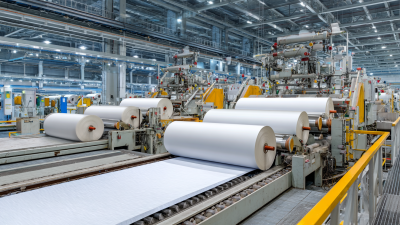
Roll Stock packaging? It’s basically a continuous film that comes on a roll and is used for forming, filling, and sealing on packaging equipment. It can be made from plastic, paper, aluminum foil, or multilayer structures—depends on what you need. The material runs through a machine, gets shaped around the product, and ends up as a pouch, bag, lidding film, or sachet.
And yeah, it all starts as a roll.
So this format? It’s great for high-speed production, and it helps make sure you’re using just the right amount of material. It also cuts down on pre-made bags, which can make warehouse handling a lot simpler. According to the Flexible Packaging Association, U.S. flexible packaging sales hit about $39 billion in 2023. And Smithers’ report, The Future of Flexible Packaging to 2028, points to ongoing demand for lightweight, printable, and functional flexible materials. So yeah, these numbers do suggest some market strength. But, honestly, that doesn't mean every Roll Stock solution is actually sustainable or worth the cost.
Walter Soroka—the guy behind Fundamentals of Packaging Technology—once put it like this: “Packaging is the science, art, and technology of enclosing and protecting products.” And honestly? That definition still holds up pretty well for Roll Stock applications. You’ve got protection, machine performance, shelf appeal, and product safety—all of them have to play nicely together. In the real world, packaging engineers are constantly checking things like seal temperature, film stiffness, barrier performance, and line speed. Even a tiny mismatch can lead to wrinkles, leaks, or a bunch of wasted material. Yeah, that part? It gets overlooked more than you'd think.
You'll find roll Stock Packaging pretty much everywhere—snack foods, frozen stuff, coffee, medical supplies, household goods. But its real value comes from the whole system, not just the film itself. You've got material choices, machine settings, operator know-how, and even planning for what happens once it's used up. All of that counts.
The tech is efficient, sure. But it's not perfect. And sometimes, even a better package can still leave you with some pretty tough recycling questions.
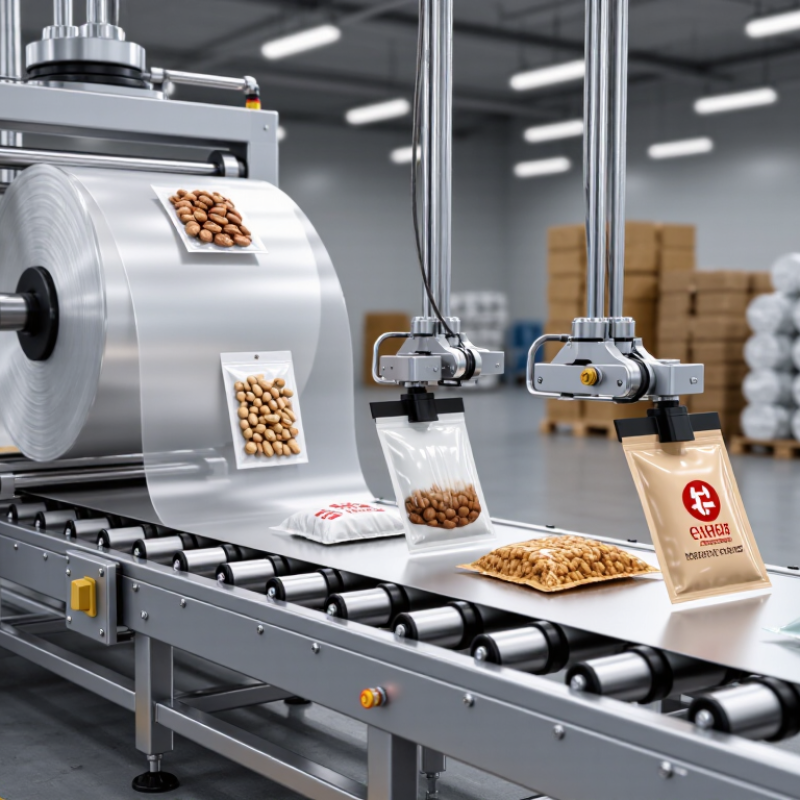
Roll stock packaging is a continuous sheet of flexible film wound around a core. Packaging machines unwind it, form it, fill it, and seal it in one controlled process. Unlike pre-made pouches, roll stock arrives as unfinished packaging material. Its structure depends on the product, machine, and storage environment.
A typical Roll Stock Film may contain two or more layers. The outer layer supports printing and resists scuffing. The middle layer can provide strength, oxygen protection, moisture resistance, or light control. The inner layer usually melts during heat sealing and contacts the product. Film thickness commonly ranges from 15–200 μm. Thin film can reduce material use and improve machine speed. Thicker film may offer better puncture resistance for sharp or heavy contents.
Details matter here. A 15 μm film may suit lightweight dry goods, while a 120 μm structure can handle demanding transport conditions. Some high-barrier applications require carefully selected layers, not simply more thickness. A thicker film is not automatically safer. That assumption deserves testing.
In production, technicians check seal temperature, pressure, dwell time, and web tension. They also inspect seal strength, pinholes, print alignment, and roll edges. A film that performs well in a laboratory may behave differently on a fast packaging line. Humidity, dust, and uneven tension can expose weaknesses. Small trials are useful. Real products can change the result. That is why material selection should combine specifications, machine trials, and documented quality checks.
What Is Roll Stock Packaging and How Is It Used?
Roll stock packaging is a continuous film wound around a core. Packaging machines unwind it, shape it, fill it, and seal it. The film may contain several layers, each serving a specific purpose. A sealant layer closes the package. A structural layer provides strength. Barrier layers protect the contents from oxygen, moisture, light, or odors.
PE offers flexible sealing and strong moisture resistance. It works well for pouches, liners, and frozen products. PP provides better heat resistance and useful clarity. It is often selected when stiffness or higher-temperature processing matters. PET adds tensile strength, dimensional stability, and a smooth printing surface. However, PET alone is not always enough for sensitive products.
Aluminum creates an excellent barrier against light, oxygen, and moisture. Even tiny pinholes can reduce that protection, so handling and forming require careful control. EVOH provides strong oxygen resistance, but moisture can weaken its performance. For this reason, it usually sits between moisture-resistant polymer layers. A common structure might combine PET for strength, EVOH for oxygen control, and PE for sealing. The exact design depends on shelf-life targets, filling temperature, and machine speed.
Real trials can reveal uncomfortable details. A film that performs well in a laboratory may wrinkle during fast production. Seal strength can also change with dust, temperature, or product residue. Testing should include oxygen transmission, water vapor transmission, drop resistance, and seal integrity. No layer is perfect. Better packaging comes from balancing protection, processability, cost, and material use.
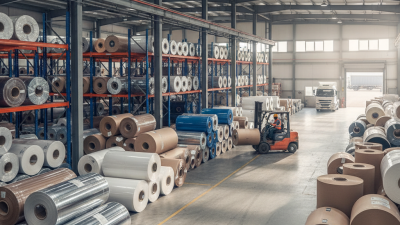
Roll stock packaging is a continuous film wound around a core. Form-fill-seal machines later convert it into pouches, sachets, or bags. The format reduces storage volume before filling. The Flexible Packaging Association reported that U.S. flexible packaging sales exceeded $40 billion in 2023. That scale reflects strong demand for lightweight, material-efficient packaging.
Manufacturing starts with extrusion. Plastic resin is melted, pushed through a flat die, and cooled into a controlled film. Operators monitor thickness, temperature, and web tension. A small thickness variation can create weak seals. Lamination then bonds layers with different functions, such as barrier protection, strength, and heat sealing. Adhesive selection matters. Residual solvent, poor curing, or trapped air can damage the finished web. Smithers forecasts global flexible packaging demand will exceed 37 million tonnes by 2028, increasing pressure for reliable multilayer production.
Printing adds graphics and machine-readable marks through gravure, flexographic, or digital processes. Registration must remain stable while the web moves quickly. Slitting follows, cutting the master roll into narrower rolls for specific filling equipment. Clean edges are essential. Dust can affect seals. A neat roll is not proof of a perfect process. Converters still need to test seal strength, coefficient of friction, barrier performance, and roll geometry. In practice, one overlooked variable can waste an entire production run.
Stock Packaging uses continuous film, often supplied on a roll, to create individual packages during production. The process begins with unwinding. Rollers guide the film at a controlled speed and maintain steady tension. If tension changes, wrinkles or uneven edges may appear.
During forming, the film folds around a forming tube or shaped guide. The machine then fills each pouch with a measured product. Sensors check timing, while the sealing jaws apply heat and pressure. Strong seals need suitable temperature, dwell time, and pressure. After sealing, a cutting unit separates each package along a programmed line. Clear registration marks help the cutter stay accurate. In real production, small alignment errors still happen. They should be investigated, not simply ignored.
Tips: Keep the film clean and dry before loading. Check the roll direction carefully. Confirm seal temperature with regular test samples. Watch the first packages after every changeover. A simple seal-strength check can reveal problems early. Operators should also record speed, temperature, and material behavior. These notes support reliable adjustments and improve process knowledge over time.
Roll stock packaging is a continuous film supplied on a wound roll. Packaging Stock can be printed, laminated, or heat-sealed around products. Its performance depends on more than appearance. Oxygen, moisture, and seal integrity can determine whether contents remain stable during storage and transport.
Oxygen transmission rate, or OTR, measures how quickly oxygen passes through the material. Testing under ASTM D3985 commonly uses a coulometric sensor and controlled temperature and humidity. Lower OTR values usually indicate stronger oxygen protection. However, a low reading does not guarantee real-world performance. Creases, pinholes, and damaged edges can create unexpected leakage paths.
Water vapor transmission rate, or WVTR, measures moisture movement through the film. This value matters when texture, weight, or chemical stability can change with humidity. Seal strength testing checks the force required to separate a heat seal. Technicians often inspect the seal after opening. A clean split may indicate a stronger process than a torn, uneven failure.
In practical testing, samples should represent actual production conditions. Seal temperature, dwell time, pressure, and film alignment all affect results. One test setup may look perfect, yet the production line can behave differently. That is where careful sampling becomes essential. ASTM D3985 supports a reliable OTR method, but it does not certify every package design. Performance data must be linked to the intended product, storage environment, and handling risks.
What Is Roll Stock Packaging and How Is It Used?
Roll stock packaging is a continuous film supplied on large rolls. Packaging equipment forms, fills, and seals the material during production. This approach supports consistent portion sizes, clear batch coding, and efficient material use. Film structures may combine plastic, paper, foil, or specialty coatings. Each layer serves a purpose, such as blocking oxygen, light, moisture, or odors.
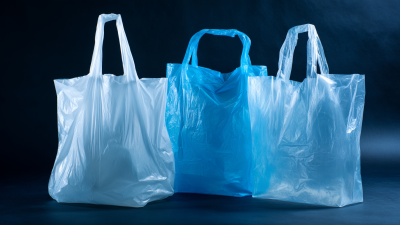
In food production, roll stock creates snack packs, frozen-food bags, coffee sachets, and flexible meal pouches. A strong heat seal helps protect contents during transport and storage. Stock Pouches are useful when manufacturers need preformed bags with printed surfaces and reliable closures. However, packaging should match the food’s moisture and fat content. A film that works for dry grains may perform poorly with oily sauces. Small errors can become expensive.
Medical packaging often uses roll stock for sterile barrier bags, instrument covers, and procedure kits. Operators must control sealing temperature, pressure, and dwell time. Pharmaceutical applications demand even tighter controls. Packaging may protect tablets, powders, or medical liquids from humidity and contamination. Production records, material traceability, and seal testing support dependable quality. Household products also use roll stock for wipes, detergent refills, pet-food portions, and cleaning powders. These packages need puncture resistance and practical opening features. A package can look impressive yet still tear at the corner. That detail deserves more testing.
Roll stock packaging is flexible film supplied on rolls and converted into pouches, bags, sachets, lidding, or sterile packaging by forming, filling, sealing, or cutting equipment.
The chart shows representative roll stock packaging formats commonly used in each industry. These are application examples, not market-share figures.
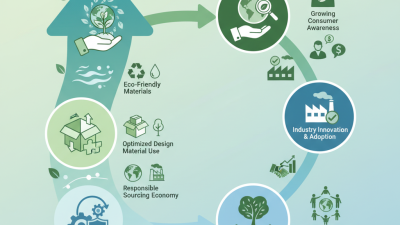
Roll stock packaging arrives as continuous film on a roll, then forms, fills, and seals around a product. This format can reduce empty space during transport and support precise material use. Its sustainability depends on the entire structure, not appearance alone. The OECD’s Global Plastics Outlook reports that only about 9% of plastic waste was recycled globally in 2019. Better design remains essential.
Recyclability improves when roll stock uses compatible, simpler material layers. However, strong barrier performance often requires multi-layer films, which may complicate sorting and recycling. ISO 18606 provides criteria for packaging suitable for organic recycling, including biodegradation and disintegration under controlled conditions. It does not make every compostable package suitable for home composting. That distinction matters. Lightweighting can reduce resin consumption and transport emissions, but thinner film may weaken seals or increase product loss. A damaged package creates waste too.
Tips: Ask converters for documented material weights, barrier data, and end-of-life guidance. Test seal strength after reducing thickness. Review local collection systems before selecting a recyclable structure. The Ellen MacArthur Foundation has reported that packaging represents roughly 40% of global plastic use, making small design decisions significant at scale. Yet recycling claims can be overstated when collection infrastructure is limited. I have seen promising formats fail during real filling-line trials. Sustainability needs practical testing, not attractive specifications alone. Track grams per package, rejected units, and damaged shipments. Those figures reveal whether a lighter roll truly reduces waste.
| Sustainability Dimension | Relevant Metric or Requirement | Practical Data or Fact | How It Applies to Roll Stock Packaging | Important Qualification |
|---|---|---|---|---|
| Format and Use | Packaging supplied as a continuous web or roll | The web is unwound, formed or sealed, filled, and cut during the packaging process. | Common uses include form-fill-seal pouches, sachets, lidding films, flow wraps, and bag-making applications. | The final environmental profile depends on the film structure, product protection, converting process, and end-of-life system. |
| Material Selection | Polymer type, paper or fiber content, barrier layer, coatings, inks, and adhesives | A structure made from one predominant polymer is generally simpler to sort and recycle than a structure made from several incompatible materials. | Designers may evaluate mono-material polyethylene or polypropylene structures where the required sealability, strength, and barrier performance can be achieved. | Material compatibility does not by itself guarantee acceptance; local collection, sorting, and reprocessing capacity must also exist. |
| Recyclability | Compatibility with an established collection, sorting, and recycling pathway | Recyclability is a system outcome, not only a material property. A package should be evaluated against the requirements of the intended recycling stream. | Roll stock can be designed to reduce problematic layers, excessive coatings, incompatible components, and non-removable attachments. | The same film may be recyclable in one region and unavailable for recycling in another because collection and infrastructure differ. |
| ISO 18606:2013 | Packaging suitable for organic recycling | ISO 18606 addresses packaging recoverable through organic recycling and considers biodegradation, disintegration, processability, and effects on the quality of the resulting compost. | A roll-stock structure intended for composting must be assessed as a complete packaging system, including inks, coatings, adhesives, and labels. | ISO 18606 is not a universal claim that every compostable package will break down in a home compost pile or in every industrial composting facility. |
| Lightweighting | Packaging mass per functional unit, such as grams per packaged product | The percentage mass reduction can be calculated as: (old mass − new mass) ÷ old mass × 100. | Material use may be reduced through thinner films, optimized seal areas, improved web design, or removal of unnecessary layers. | A thinner package is only beneficial when it still protects the product and does not increase leakage, damage, or food waste. |
| Waste Reduction During Conversion | Trim waste, setup waste, rejected seals, and print or registration losses | Process waste rate can be calculated as: waste mass ÷ total material input × 100. | Accurate web width, stable registration, suitable roll dimensions, and optimized changeovers can reduce offcuts and rejected packs. | Actual waste rates vary by equipment, product geometry, print method, production speed, and quality-control settings. |
| Product Protection | Shelf-life performance, oxygen transmission, water-vapor transmission, seal integrity, and puncture resistance | Barrier requirements are product-specific; moisture-sensitive, oxygen-sensitive, and light-sensitive products need different protection levels. | The correct roll-stock structure can reduce product spoilage, leakage, and damage while using less material than a rigid format in some applications. | Environmental comparisons should include both packaging impacts and the consequences of product loss. |
| End-of-Life Communication | Clear disposal instructions and substantiated environmental claims | Claims such as “recyclable” or “compostable” should reflect documented technical performance and the disposal systems available to the target users. | Disposal information can be printed on the web or provided through approved labeling and consumer instructions. | Avoid presenting a package as recyclable or compostable without evidence for the specific structure and relevant geographic market. |
| Key Design Trade-Off | Balance among resource efficiency, product protection, manufacturability, and recovery | No single material or format is the best option for every product and waste-management system. | A sound design review compares material mass, production scrap, transport efficiency, product waste, and realistic end-of-life outcomes. | Life-cycle assessment or a documented comparative study is preferable when making quantitative sustainability claims. |
It is continuous film wound around a core. Machines unwind, form, fill, and seal it.
PE supports flexible seals and moisture resistance. PP adds heat resistance and stiffness. PET improves strength and print quality.
Each layer performs a different task. One may block oxygen, another may provide strength or sealing.
Aluminum blocks light, oxygen, and moisture very effectively. Tiny pinholes can weaken its protection.
EVOH provides strong oxygen resistance. Moisture can reduce its performance, so polymer layers usually protect it.
Resin is melted and pushed through a flat die. The film is cooled, laminated, printed, and slit into narrower rolls.
Wrinkles, dust, trapped air, and uneven thickness can appear. A clean-looking roll may still have weak seals.
It supports food pouches, medical kits, pharmaceutical packs, household refills, and cleaning products.
Testing may include oxygen transmission, water vapor transmission, drop resistance, seal strength, and seal integrity.
Match the film to moisture, fat, temperature, shelf life, and machine speed. There is no perfect layer.
Roll Stock is a flexible packaging material supplied in continuous rolls and commonly produced in film thicknesses from 15 to 200 μm. Its structure may include PE, PP, PET, aluminum, EVOH, and other functional layers selected for strength, heat sealing, oxygen resistance, moisture protection, and product compatibility. Manufacturing typically involves extrusion, lamination, printing, and slitting, allowing the film to be customized for different packaging requirements.
During packaging, the roll is unwound, formed into a pouch or other structure, filled, sealed, and cut by automated equipment. Performance is evaluated through oxygen transmission rate, water vapor transmission rate, seal strength, and relevant testing methods such as ASTM D3985. Roll Stock is widely used for food, medical, pharmaceutical, and household products. Sustainability considerations include recyclable structures, ISO 18606 guidance, material lightweighting, efficient production, and reduced packaging waste.