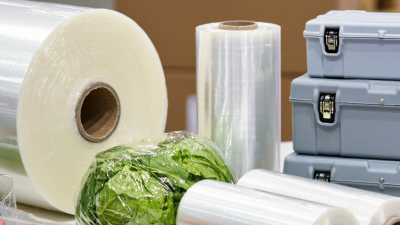
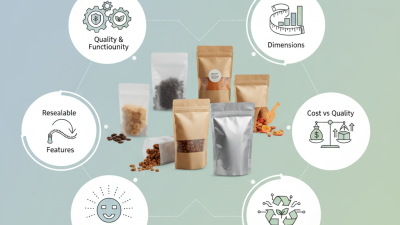
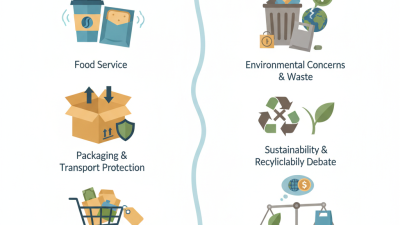
When global buyers pick Plastic Wrapper materials, they’re often juggling long supply chains, changing climates, and different packing lines. At first glance, a really low quote can seem pretty appealing — but beware! Once those rolls arrive, you might notice uneven thickness, weak seals, or unclear specs, and that can cause real headaches. Small details honestly matter more than you think. A film that feels tough when you hold it might still tear apart when run through a fast machine, so it’s a good idea to ask for samples and test them out on the actual equipment you'll be using.
Packaging expert Daniel Reed likes to say, “A good wrapper earns trust when its barrier, seal, and machine compatibility all come together.” That’s a handy rule of thumb. It points buyers toward checking a few key things: the intended product and how long it needs to stay fresh, the film’s structure and thickness, how well it seals, print quality, roll size, and whether the supplier can deliver consistent quality. Don’t just settle for glossy brochures—ask for detailed specs, recent testing results, and sample rolls. Compare those with your actual setup to see how they really perform. If you’re packaging food or something sensitive, make sure the supplier can provide the necessary documentation for safe use.
Now, about the price—sure, it’s important, but it’s not everything. Things like freight costs, minimum order quantities, storage needs, and potential production delays can really add up and change your true cost per pack. Also, ask what the plan is if a batch isn’t perfect or if there are defects. Having a clear, written spec sheet helps, but nothing beats running a production trial to be totally sure. Many buyers overlook this step, especially when working with new suppliers—they forget that a checklist isn’t a crystal ball. Even then, there are always some uncertainties, so it's smart to compare real evidence, keep detailed records, and revisit your assumptions after that first order. This isn’t about guaranteed perfection but about being smart and cautious to avoid surprises down the line.
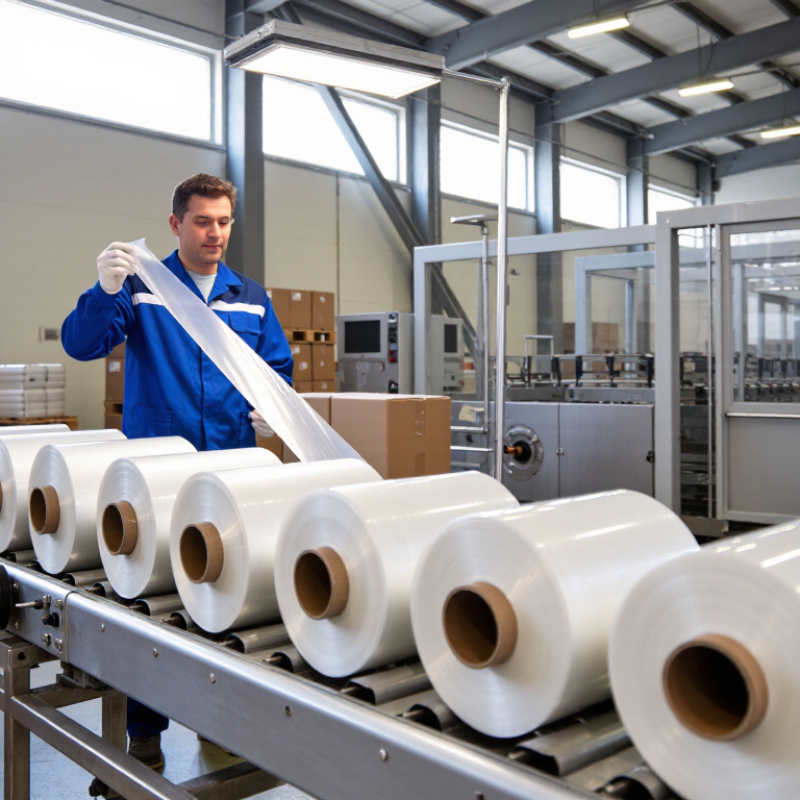
Identify the Wrapper Type and Intended Application
A wrapper that looks suitable on a screen may fail on a packing line. Start with the product, the filling process, and the journey to market. Flow wrap suits individual bars or small cartons, while shrink film gathers tightly around multipacks. Stretch film is designed to secure pallet loads, not to contact food directly. For moisture, oxygen, or light-sensitive goods, ask suppliers for barrier data and test the finished pack under actual storage conditions. Small details matter: a sharp carton corner can puncture thin film.
Plastic Wrapper Packaging covers different structures, so request the material composition, thickness, sealing range, and relevant performance test results. A 2022 OECD report, Global Plastics Outlook, estimates that packaging represented 40% of global plastic waste in 2019. That figure is a useful reminder to match material use to the job, rather than choosing by price alone. It does not mean every application can use the same thinner film. Test first. Check seal integrity, product protection, and line speed with your own equipment. Honestly, one trial may not reveal seasonal or transport problems, so buyers should review samples after realistic handling and storage.
Tip 1: Compare the film before comparing the price. Polyethylene offers flexibility and reliable heat sealing, while polypropylene can provide higher clarity and stiffness. Multilayer films may improve strength, but they can complicate recycling. A Plastic Bag Plastic Bag search term can hide very different constructions. Request the exact resin type, thickness, and layer structure.
Tip 2: Measure barrier performance against the product’s real risks. Oxygen transmission matters for oxidation-sensitive goods. Water vapor transmission matters in humid storage and ocean transport. A shiny surface does not always prove strong protection. Ask for laboratory data at stated temperature and humidity. Then compare results under the same test method. Small differences can become serious after weeks in a container.
Tip 3: Test durability with realistic handling. Check puncture resistance, tear propagation, seal strength, and drop performance. Fill sample bags with the intended load, not empty air. Drag them across a rough warehouse floor. Inspect corners and seals afterward. This reveals weaknesses quickly. I have seen thick film fail at a poor seal. Thickness alone is not durability. Temperature exposure also deserves attention. Cold conditions can make some films brittle, while heat may soften seals. Keep a written specification, approve a production sample, and repeat testing when the material changes. Suppliers should provide consistent records, though buyers should still verify critical claims independently.
Compare material properties, barrier performance, and durability before selecting Flexible Packaging.
A wrapper can look clean and still transfer unwanted substances to food. Ask suppliers for food-contact declarations and migration-test reports for the finished structure, including inks, adhesives, and coatings. Confirm that testing matches the food type, contact time, and temperature you actually use. Rules differ across markets, so check destination-country requirements before approving a specification. Keep the documents tied to the exact material and production site.
Tip: Request recent test results, material specifications, and traceability records. Check that the tested sample matches the wrapper you will receive. Small changes matter.
Environmental claims need evidence, too. Ask what the package contains, whether its components can be separated, and which local collection systems accept them. The OECD’s Global Plastics Outlook reports that only 9% of plastic waste was recycled globally in 2019. A “recyclable” label alone does not prove practical recyclability where your customers live. Honestly, paperwork can feel reassuring before production starts; it still needs checking against real batches and local disposal options. Keep samples and review documents when suppliers change materials.
Before comparing plastic wrapper quotes, define the artwork and performance needs. Ask for a printed proof showing small text, fine lines, and color on the actual film—not just a screen mock-up. Check whether the supplier uses flexographic or digital printing, and ask how each affects setup cost, color consistency, and repeat orders. Small details matter.
The Flexible Packaging Association’s 2024 State of the U.S. Flexible Packaging Industry report estimated U.S. industry sales at $42.9 billion in 2023. That broad market figure is useful context, but it cannot predict your own order cost. Request a breakdown for cylinders or plates, artwork changes, and each film structure. Also confirm whether quoted colors are spot colors or process colors; the distinction can change both appearance and price.
Minimum order quantities deserve equal attention. A lower MOQ may suit a product trial, while a larger run can reduce the price per wrapper—but leaves more inventory to store. Ask for pricing at several quantities, such as 5,000, 10,000, and 25,000 pieces, and compare the total landed cost. A low unit price can mislead. Check whether the MOQ applies per design, size, or combined order, and get lead times in writing. One awkward point: forecasts are often wrong, so avoid ordering extra just to reach a price break.
| No. | Buying Tip | What to Evaluate | Questions to Ask Suppliers | Practical Buying Check |
|---|---|---|---|---|
| 1 | Match the Film Structure to the Product | Check the proposed film layers, thickness, sealing requirements, and protection needed from moisture, oxygen, light, or punctures. Requirements differ by product and storage conditions. | What materials and total thickness are proposed? What product-protection properties can be documented? Is the structure suitable for the intended filling and sealing process? | Share the product type, filling method, storage conditions, and expected shelf life before requesting a quotation. Ask for technical specifications for the proposed structure. |
| 2 | Compare Printing Methods | Flexographic and gravure printing are commonly used for production runs; digital printing may suit shorter runs or multiple designs. Availability, cost, quality, and setup requirements vary by supplier and job. | Which printing method is being quoted? Are plates or cylinders required? How are color matching, registration, and print tolerances managed? | Request a method-specific quotation and a printed proof or approved color reference. Compare like-for-like specifications, including artwork coverage and number of colors. |
| 3 | Confirm Customization Details | Specify wrapper dimensions, roll or pouch format, seals, tear notches, perforations, windows, finish, and any fitment or opening features required. | Which features are standard or custom? What dimensions and tolerances are available? Will a physical sample or production-equivalent mock-up be provided? | Prepare a written specification and confirm that the sample matches the intended pack, filling line, and use case before approving production. |
| 4 | Clarify the Minimum Order Quantity | MOQ can depend on printing method, film structure, dimensions, number of designs, and production setup. Suppliers may calculate it by pieces, rolls, weight, or another unit. | What is the MOQ for each size, design, and material structure? Is the quantity based on finished wrappers or raw material? Can designs be combined in one run? | Ask for the MOQ and price breaks in writing for each SKU. Confirm whether unused material, setup charges, or overrun and underrun allowances affect the delivered quantity. |
| 5 | Review Artwork and Color Approval | Check file requirements, printable area, barcode placement, color references, artwork version control, and approval stages. Final appearance can be affected by film, inks, and finish. | What file format and resolution are required? How are color proofs approved? Will changes after approval affect cost or schedule? | Approve a dated, version-controlled proof and keep a copy. For color-critical work, agree on the reference standard and how the printed result will be assessed. |
| 6 | Check Compliance and Documentation | For food, cosmetic, or other regulated applications, requirements depend on the product, destination market, and packaging contact conditions. Documentation should match the actual materials used. | Can the supplier provide relevant material declarations, test reports, or compliance documents for the proposed structure and destination market? | Identify applicable market and product requirements before ordering. Have the documents reviewed by your compliance or regulatory specialist rather than relying on a general claim. |
| 7 | Compare Total Cost and Delivery Terms | Evaluate unit price alongside tooling or setup charges, sampling, freight, duties, packaging, payment terms, production lead time, and delivery terms. | What costs are excluded from the quotation? When does the lead time begin? How are shipping, customs responsibilities, and delivery dates defined? | Compare quotations using the same specification, quantity, delivery location, and trade term. Confirm the production schedule and responsibilities in the purchase order. |
Note: MOQ, pricing, lead time, material performance, and compliance documentation vary by supplier, product specification, and destination market. Confirm all details in a written quotation and approved technical specification.
When sourcing a Plastic Plastic Bag, compare supplier capabilities before comparing quotations. Ask how long the factory has produced similar packaging. Review equipment lists, monthly capacity, and backup production plans. A reliable supplier should explain film extrusion, printing, cutting, and sealing processes clearly. Request recent sample batches, not only polished showroom samples.
Pricing needs careful inspection. Compare costs by material grade, thickness, dimensions, printing colors, and order quantity. A low quote may exclude tooling, freight, inspection, or replacement materials. Ask for a line-by-line quotation. Check whether recycled content or additives affect strength and appearance. Small price differences matter when purchasing millions of units.
Quality controls should be measurable. Request thickness records from several points across each roll. Check seal strength, tear resistance, odor, color consistency, and print alignment. Suppliers should provide inspection reports and explain their sampling method. An on-site audit can reveal storage problems, dusty work areas, or overloaded equipment. I once trusted an attractive sample and ignored uneven seals. That mistake was expensive. Perfect systems are rare. The supplier’s response to defects matters more than a confident presentation. Keep agreed tolerances in writing, including acceptable variation, carton counts, and corrective-action deadlines. Ask for a pre-shipment sample before releasing the balance payment.
7 Plastic Wrapper Buying Tips for Global Buyers
Review Shipping, Import Duties, and Delivery Terms
When sourcing Plastic Bag Plastic materials, buyers should examine the full landed cost. A low factory price can become expensive after freight, insurance, and customs charges. Request a firm quotation with product specifications, carton dimensions, gross weight, and loading quantity. These details help freight forwarders estimate ocean or air shipping accurately.
Check the proposed HS code with a qualified customs broker before payment. Import duties may depend on material, thickness, destination, and product use. Ask who pays customs fees, port handling, inspection charges, and local taxes. Never rely only on a supplier’s casual estimate. Rules can change, and a small coding error may delay a container.
Delivery terms need equal attention. Compare EXW, FOB, CIF, and DDP under the current Incoterms rules. Confirm where risk transfers, who arranges insurance, and who handles import clearance. Request a written production schedule with sample approval, manufacturing time, dispatch date, and estimated arrival. Add reasonable protection for port congestion and inspections. Delays happen.
I have seen buyers focus on the invoice and overlook destination charges. That mistake can damage a carefully planned budget. Ask for shipping documents before dispatch, including the commercial invoice, packing list, and transport document. Confirm the consignee name and delivery address twice. A missed apartment or warehouse detail sounds minor, but it can create storage fees. Also review packaging strength, moisture protection, and pallet requirements. Cheap packaging is not always cheap.
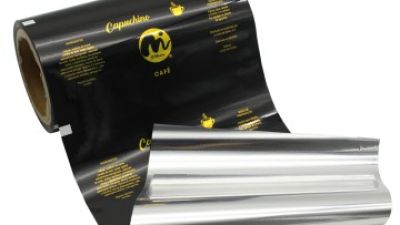
Custom food-grade plastic film rolls provide coffee producers with a practical way to preserve freshness, aroma, and product safety from filling to consumption. Designed for powder packaging, the film can be tailored to suit different bag sizes, filling speeds, and sealing systems. Its strong heat-sealing performance helps create an airtight closure, while moisture resistance reduces the risk of clumping and quality deterioration. With suitable barrier layers, the structure can also limit exposure to oxygen, light, and external odors, helping protect the distinctive flavor of roasted and ground coffee.
Packaging performance is increasingly important as food loss and waste remain major industry challenges. The FAO estimates that approximately 14% of food is lost between harvest and retail, while the UN Environment Programme reported that about 1.05 billion tonnes of food were wasted in 2022. Although packaging alone cannot prevent all losses, reliable flexible films can extend shelf life and support safer distribution by reducing microbial and foreign-contaminant exposure. For coffee manufacturers, customized roll film can improve material efficiency, maintain consistent sealing quality, and accommodate high-speed automated packaging operations. Printed surfaces, puncture resistance, and controlled film thickness can also be selected according to storage, transport, and retail requirements.
Compare resin type, thickness, flexibility, clarity, stiffness, and layer structure. Polyethylene usually seals flexibly. Polypropylene can look clearer and feel stiffer. Multilayer films may improve strength but complicate recycling. Ask for exact specifications, not vague film descriptions.
Match testing to the product’s real risks. Oxygen transmission matters for oxidation-sensitive goods. Water vapor transmission matters in humid storage and ocean transport. A shiny surface proves little. Request laboratory results with temperature, humidity, and test methods clearly stated.
Fill samples with the intended load. Drag them across a rough floor. Check punctures, tear growth, seals, corners, and drop performance. Empty bags hide weaknesses. Thickness alone is not durability. A thick film can still fail at a weak seal.
Cold conditions can make some films brittle. Heat may soften seals. Test samples under expected storage and transport temperatures. Keep written specifications. Repeat testing when the material changes. Suppliers provide records, but buyers should verify important claims independently.
Request a physical proof on the actual film. Inspect small text, fine lines, color accuracy, and surface quality. Ask about printing methods, setup costs, color consistency, and repeat orders. Screen images can mislead. Tiny text often reveals printing problems.
Request prices at several quantities, such as 5,000, 10,000, and 25,000 pieces. Check whether minimum quantities apply per design, size, or combined order. A lower unit price may create excess inventory. Forecasts fail sometimes. Avoid ordering extra only for a discount.
Include product price, freight, insurance, duties, customs fees, port handling, inspection charges, and local taxes. Ask for carton dimensions, gross weight, and loading quantity. A low factory quote may become expensive after destination charges. Check the complete cost.
Confirm the delivery term, risk transfer point, insurance responsibility, and import-clearance duties. Request production, approval, dispatch, and arrival dates. Allow time for congestion and inspections. Review the invoice, packing list, transport document, address, and consignee name twice. Small errors create storage fees.
Choosing the right Plastic Wrapper requires more than comparing prices. Global buyers should first define the wrapper type and its intended use, then assess material strength, flexibility, moisture and oxygen barriers, heat resistance, and overall durability. Product safety is equally important, so buyers should confirm food-contact suitability where applicable, review environmental requirements, and verify that the supplier can provide accurate compliance documentation for the destination market.
Printing quality, colors, sizes, finishes, customization options, and minimum order quantities should also match the project’s needs and budget. Before placing an order, evaluate the supplier’s production capacity, quality-control procedures, sampling process, lead times, and pricing transparency. Finally, review packaging, shipping arrangements, import duties, delivery terms, and responsibility for unexpected logistics costs. A structured comparison of these factors can help global buyers reduce risk, maintain consistent product quality, and select a reliable solution for long-term purchasing.