Leave Your Message
0%

Choosing a reliable Polystyrene Bag manufacturer isn’t just about comparing prices or pretty product photos. You’ve also got to look at material consistency, sealing quality, how much experience the factory really has, and how well the supplier communicates. A bag can look tough at first glance, then split near a sharp corner somewhere in transit. And that one small failure? It can damage products—and customer trust.

Packaging professor and author Dr. Susan Selke puts it simply: “The package is part of the product.” That idea fits Polystyrene Bag sourcing almost perfectly. A good supplier should understand insulation needs, surface protection, storage conditions, and the realities of everyday handling. Names like Storopack, ACH Foam Technologies, and Dart Container are well known in the broader foam packaging world. But availability, regional production, and customization options can shift. So buyers should check current details directly with each supplier.

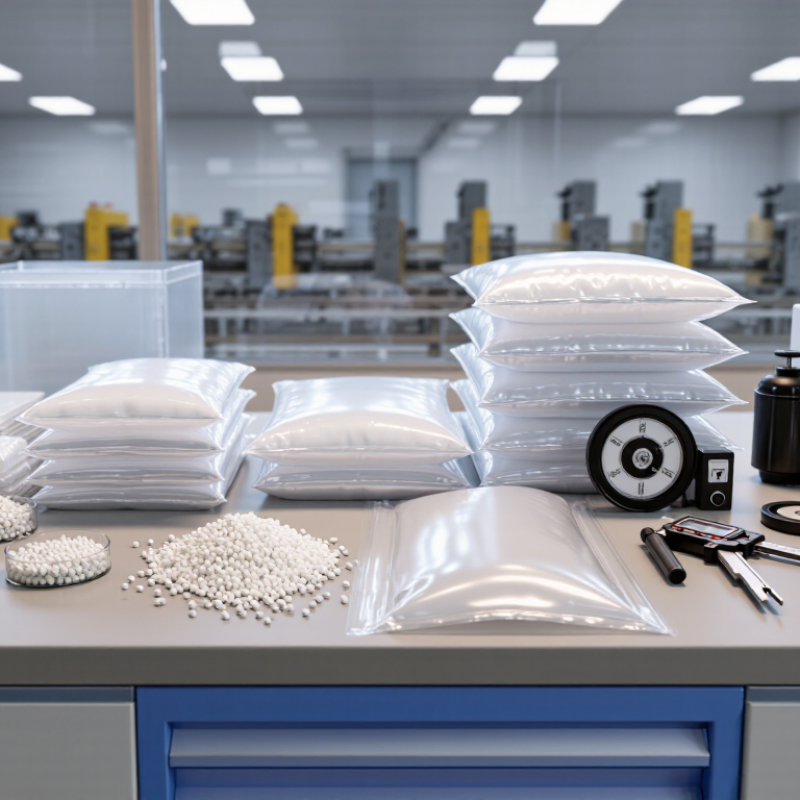
This guide looks at leading Polystyrene Bag manufacturers and suppliers from a practical purchasing angle. We cover material quality, production capacity, customization, minimum order quantities, documentation, and customer support. We also ask whether a supplier will provide samples before a large order. That step matters—a lot. A sample can expose weak seams, uneven thickness, an odd odor, or a poor fit. These are exactly the kinds of details that are easy to miss.

The industry isn’t perfect, either. Polystyrene packaging raises real environmental concerns, and supplier claims deserve a careful look. Responsible buyers should ask about recycled content, waste handling, local rules, and end-of-life options. No single manufacturer is right for every application. The best choice depends on how sensitive your product is, how far it ships, your budget, and what performance you actually expect. This comparison is meant to make that decision a little clearer—while being honest that specs still need independent verification.
Top Polystyrene Bag Manufacturers and Suppliers

What Are Polystyrene Bags and How Are They Used?

Polystyrene bags are lightweight packaging products made from polystyrene film or expanded foam. The term is not perfectly consistent. Some suppliers describe thin, flexible bags, while others mean foam-lined protective sacks. That confusion matters. Film bags may hold small, dry items. Foam versions protect fragile goods from impact, moisture, and short-term temperature changes.

In practical use, these bags appear in laboratories, shipping operations, food-service applications, and retail packaging. A foam-lined bag can cushion glass containers during delivery. A thin bag may reduce dust around components. They are useful, but not universal. Heat can deform polystyrene, and sharp edges may puncture weak seams. Direct food contact also requires suitable, documented material specifications. Do not assume every polystyrene bag has the same performance.

Tips: Ask suppliers for thickness, dimensions, seam strength, temperature limits, and intended-use data. Request a sample before placing a large order. Test it with your actual product and handling conditions. Check local recycling guidance, because collection systems vary widely. In my experience, packaging that looks adequate in a catalog can fail after repeated compression. A simple drop test often reveals more than attractive product photos. Choose verified specifications over vague claims.

Key Features and Applications of Polystyrene Bags

Polystyrene bags are valued for their light weight, smooth surface, and resistance to moisture. Standard polystyrene film offers clear product visibility and supports clean, neat presentation. Expanded polystyrene formats add cushioning and thermal protection. This makes them useful for food-service liners, laboratory sample carriers, retail packaging, and protective inserts. Check the specification carefully. Film bags and expanded bags perform differently.

The OECD Global Plastics Outlook reported that global plastic waste reached 353 million tonnes in 2019, while packaging created about 40% of that waste. This figure makes material selection more important. Buyers should request thickness data, seal-strength testing, odor checks, and documented food-contact compliance where relevant. For cold-chain use, suppliers should also provide temperature-range results. A bag that looks strong may split at a sharp corner.

ASTM-based testing can measure tensile strength, puncture resistance, and seam performance. These tests help manufacturers compare production batches. Clear bags suit visible retail goods, while opaque or insulated designs protect sensitive contents from light and heat. Polystyrene also has limitations. It can become brittle under stress, and recycling access varies widely by region. I would not assume a recyclable claim proves practical recovery. Local collection data deserves equal attention. Surface appearance alone is not enough.

How Polystyrene Bags Are Manufactured

Polystyrene bags begin with carefully measured resin pellets, color additives, and processing aids. Manufacturers first inspect the raw material for moisture, dust, and inconsistent size. Dry material matters. Excess moisture can create bubbles, weak areas, or uneven surfaces during extrusion.

Inside the extruder, rotating screws heat and soften the polystyrene under controlled pressure. The melted material passes through a narrow die, forming a thin film or tubular sheet. Cooling rollers reduce the temperature and stabilize the film. Operators then measure thickness, clarity, tensile strength, and sealing performance. A Plastic Bag Plastic Bag may look simple, but small temperature changes can affect its edges and flexibility. I have found that visual checks alone are not enough. Laboratory testing gives suppliers more reliable evidence.

The film moves through slitting and bag-making equipment, where blades create the required width. Heated jaws seal the bottom and side seams. A cutting unit separates each bag with consistent dimensions. Workers inspect seal lines, corners, and surface defects under bright lighting. Some suppliers use sampling plans, while others check every production batch. The process is efficient, though not perfectly uniform. Polystyrene can become brittle when exposed to unsuitable temperatures or rough handling. Buyers should request material specifications, test records, and production details before choosing a manufacturer or supplier.

Leading Polystyrene Bag Manufacturers by Product Range

Leading polystyrene bag manufacturers now compete through product range, not only unit price. Their catalogs may include lightweight retail bags, reinforced carry bags, foam-lined bags, and insulated formats for temperature-sensitive goods. Each range serves a different handling condition. A thin bag suits brief transport, while a laminated liner protects contents from condensation and surface abrasion.

The OECD’s Global Plastics Outlook estimated 353 million tonnes of plastic waste in 2019, with packaging responsible for about 40%. This figure makes material selection and recovery planning essential for buyers. Manufacturers with reliable specifications should disclose thickness, load capacity, sealing temperature, and recycled-content options. Clear samples help. A Bag Plastic Bag with weak seams may fail before reaching the customer, creating waste and extra labor.

Industry buyers should also examine printing quality, carton consistency, and storage performance. Polystyrene products can become brittle in cold warehouses or deform near heat sources. Product testing under real conditions is more useful than a polished catalog. The market data is serious, but supplier comparisons remain imperfect; many reports group polystyrene with broader plastics or Flexible Packaging. That limitation deserves attention. A strong supplier can provide batch records, dimensional tolerances, and test results without vague claims.Small details matter.

Reliable Polystyrene Bag Suppliers and Distribution Options

Reliable polystyrene bag sourcing starts with suppliers who document material performance, not just attractive prices. In procurement reviews, I examine resin specifications, thickness ranges, seal strength, and production tolerances. Ask for recent samples. Check them under cold storage, stacking, and repeated handling. Small cracks often appear at the corners first. A capable supplier should explain its testing methods and provide batch records. This practical evidence is more useful than a polished catalog.

Distribution options should match order volume, delivery frequency, and storage capacity. Direct factory shipments may reduce unit costs for large, stable orders. Regional distributors can offer shorter lead times and smaller replenishment quantities. Keep safety stock, but do not overbuild it. Polystyrene packaging can occupy surprising warehouse space. Confirm carton dimensions, pallet patterns, shipping terms, and damage procedures before signing. Reliable partners share production updates when delays occur, rather than hiding behind vague estimates.

A professional evaluation also covers communication and corrective action. Request clear contacts for quality, logistics, and technical questions. Review how the supplier handles off-spec bags, color variation, or weak seals. Written approvals help prevent misunderstandings. I would also compare two distribution routes during a trial order. The cheapest option may create more receiving work. That lesson is easy to miss. Supplier reliability is measured over several deliveries, not one successful shipment. Reassess performance using delivery accuracy, defect rates, response time, and total landed cost. Some requirements may change after real warehouse use, so leave room for adjustment.

How to Evaluate a Polystyrene Bag Manufacturer

Choosing a polystyrene bag manufacturer requires more than comparing prices. Start with resin quality, thickness control, sealing strength, and production traceability. Ask for certificates of analysis, batch records, and test results for puncture resistance. A reliable supplier should explain its testing method clearly, not hide behind vague claims.

The OECD’s Global Plastics Outlook reported 353 million tonnes of plastic waste in 2019, while only 9% was recycled. This figure makes material efficiency and responsible production important evaluation points. Ask whether the factory measures production scrap, energy use, and recycled content accurately. For each Plastic Bag specification, confirm dimensions, weight tolerance, odor, and storage conditions. A sample may look perfect, yet fail after several days in a hot warehouse.

Tips: Request three production samples from separate batches. Test them with the actual product, not only empty bags. Check seal failure, tearing, and surface cracking. Also inspect the factory’s quality records and customer complaint process. ISO 9001 certification can support consistency, but certification alone is not proof of excellent performance. It is easy to trust paperwork too quickly. A stronger decision combines documentation, physical testing, factory communication, and a small trial order. Ask uncomfortable questions early.

Top Polystyrene Bag Manufacturers and Suppliers - How to Evaluate a Polystyrene Bag Manufacturer

Evaluation Dimension What to Check Objective Evidence to Request Suggested Weight Evaluation Result
Material Identification Confirm whether the product uses expanded polystyrene, high-impact polystyrene, or another specified polystyrene grade. Check virgin resin, recycled content, additives, and color consistency. Material declaration, technical data sheet, safety data sheet, resin specification, and batch traceability records. 12% __/10
Product Design and Dimensions Verify bag length, width, thickness, opening design, closure method, seams, handles, and dimensional tolerances against the approved drawing. Approved technical drawing, sample inspection report, dimensional measurement records, and a documented tolerance specification. 10% __/10
Mechanical Performance Assess tensile strength, puncture resistance, tear resistance, seam strength, compression resistance, and performance under the intended load. Internal or independent laboratory test reports, product specifications, and samples tested under representative load and handling conditions. 15% __/10
Seal and Leakage Control For sealed or barrier-style bags, check seal uniformity, seal strength, pinholes, leakage, and resistance to the intended contents. Seal-strength test records, leak-test results, process-control limits, and inspection records for production batches. 10% __/10
Barrier and Protection Performance Determine whether the bag provides the required protection against moisture, dust, light, odor, or static electricity. Performance depends on the design and any added film or coating. Barrier test data, packaging performance specification, product compatibility assessment, and application-specific validation samples. 10% __/10
Food-Contact Suitability If the bag will contact food, confirm compliance with the requirements of the destination market. Do not rely only on a general “food-grade” statement. Declaration of compliance, applicable migration-test reports, formulation information, and evidence covering inks, adhesives, coatings, and recycled content where relevant. 12% __/10
Chemical and Temperature Compatibility Check resistance to the specific contents, oils, solvents, cleaning agents, and storage temperatures. Polystyrene performance varies by formulation and application. Compatibility test results, storage and transport temperature limits, safety information, and written recommendations for the intended contents. 8% __/10
Quality Management Evaluate incoming-material controls, in-process inspection, final inspection, nonconformance handling, corrective action, and lot traceability. Quality manual, inspection plan, control plan, certificate of quality-system registration such as ISO 9001, and recent audit records. 10% __/10
Production Capacity and Consistency Confirm whether the supplier can maintain the required specifications, quantity, and delivery schedule during regular production and peak demand. Production-capacity statement, manufacturing process flow, equipment list, capacity reservation terms, and records from repeat production runs. 8% __/10
Customization Capability Review available options for dimensions, thickness, closures, colors, printing, surface treatment, and packaging configuration. Production samples, artwork approval procedure, print-quality criteria, tooling details, and documented change-control process. 5% __/10
Sustainability and End-of-Life Information Verify recycled-content claims, recyclability statements, waste-reduction measures, and the availability of collection or recycling routes in the target market. Polystyrene is commonly identified by resin code 6, but local acceptance varies. Material composition statement, chain-of-custody records for recycled content, environmental claims substantiation, and relevant life-cycle or waste-management information. 5% __/10
Commercial and Supply Terms Compare minimum order quantity, sample policy, tooling charges, payment terms, lead time, packaging, shipping responsibilities, warranty, and claim resolution. Formal quotation, purchase terms, sample schedule, lead-time commitment, inspection and acceptance terms, and written warranty or claims procedure. 5% __/10

Recommended use: Score each dimension from 1 to 10, multiply the score by the suggested weight, and verify all regulatory, safety, and application-specific requirements before placing a production order.

Sustainability, Safety, and Compliance Considerations

Top Polystyrene Bag Manufacturers and Suppliers: Sustainability, Safety, and Compliance Considerations

Choosing a polystyrene bag supplier requires more than comparing prices. Production records, material specifications, and test reports should be reviewed carefully. Reliable manufacturers explain resin grades, additives, thickness, and intended use. A clear traceability system can identify each production batch. This matters when a bag shows cracking, unusual odor, or weak seams. Some suppliers promote recycled content, but buyers should verify the percentage through independent documentation. Reuse claims also require caution. Many polystyrene bags are designed for limited use, not repeated handling.

Safety depends on proper manufacturing controls and realistic applications. Suppliers should provide migration testing when bags contact food or other sensitive materials. They should also document chemical composition, storage conditions, and temperature limits. Compliance requirements vary by market, so current local rules must be checked before purchase. A Plastic Plastic Bag may appear harmless, yet poor labeling or unsuitable material can create avoidable risks. No checklist is perfect. Human inspection still finds problems that certificates sometimes miss.

Tips: Request recent test reports, batch samples, and written compliance declarations. Press a sample seam gently and inspect it under bright light. Ask how defects are recorded and corrected. Confirm disposal guidance and available lower-impact alternatives. A supplier that welcomes difficult questions is usually more dependable. Still, sustainability claims need evidence, not attractive wording.

Top Polystyrene Bag Manufacturers and Suppliers: Sustainability, Safety, and Compliance Considerations

Material density is a practical sustainability and performance indicator: lower-density foams can reduce material use, while higher-density grades may provide greater strength and durability. Actual values vary by grade, processing method, and application.

How to read the chart: Bars show the midpoint of commonly reported density ranges. Expanded polystyrene (EPS) and extruded polystyrene (XPS) are shown in g/cm³, converted from typical industry ranges of approximately 15–30 kg/m³ and 25–45 kg/m³, respectively.

Compliance reminder: For food-contact applications in the European Union, plastic materials are subject to an overall migration limit of 10 mg/dm² under Regulation (EU) No 10/2011. Suppliers should also verify applicable REACH, labeling, packaging-waste, and local recycling requirements for the destination market.

Reference basis: typical industry density ranges for general-purpose polystyrene (GPPS), high-impact polystyrene (HIPS), EPS, and XPS. Values are representative and should be confirmed against the selected supplier’s technical data sheet.

FAQS

What are the main uses of polystyrene bags?

Standard film bags provide moisture resistance and clear product visibility. Expanded formats offer cushioning and thermal protection. Uses include liners, sample carriers, retail packaging, and protective inserts.

How do film bags differ from expanded bags?

Film bags are smooth, thin, and often transparent. Expanded bags are thicker and provide better cushioning. They do not perform identically.

What should buyers check before ordering?

Request thickness data, seal-strength results, odor checks, and food-contact documents when relevant. Confirm dimensions, weight tolerance, storage conditions, and temperature limits.

Can a strong-looking bag still fail?

Yes. A sharp corner can split an attractive bag. Test samples with the actual product, not only empty bags.

Which tests help compare bag quality?

Tensile strength, puncture resistance, and seam testing reveal production differences. Request results from separate batches. One sample proves little.

How should a manufacturer’s quality system be evaluated?

Review batch records, resin details, factory traceability, and defect procedures. Ask how customer complaints are recorded and corrected. Paperwork alone is not enough.

Are polystyrene bags suitable for food or sensitive materials?

They may be suitable when the material and application meet current local requirements. Request migration testing, chemical information, and temperature data. Never assume suitability from appearance.

What sustainability questions should buyers ask?

Ask about production scrap, energy use, recycled content, disposal guidance, and local collection access. Recycling claims need evidence. Recovery may be limited nearby.

How can buyers reduce purchasing risks?

Request three samples from separate production batches. Inspect seams under bright light and test them in realistic conditions. A small trial order is wiser, though not perfect.

Conclusion

This guide explains what a Polystyrene Bag is, how it is used, and why it remains useful for selected packaging and protective applications. It reviews key features such as lightweight construction, cushioning, moisture resistance, thermal insulation, and flexibility, while highlighting common uses in product protection, shipping, food-related packaging, and industrial handling. Readers will also learn how these bags are manufactured, including material preparation, film forming, cutting, sealing, and quality inspection processes.

The article compares manufacturers by product range, customization options, production capacity, and technical support, then outlines reliable supplier and distribution choices for different purchasing needs. It also provides practical criteria for evaluating a manufacturer, including consistent quality, clear specifications, responsive service, and dependable delivery. Finally, it addresses sustainability, workplace safety, recycling considerations, and compliance expectations, helping buyers select packaging that balances performance, responsible material management, and operational requirements.
Ezekiel

Ezekiel

Ezekiel is a dedicated marketing professional at Jieyang Yuan Zhong Color Printing Co., Ltd., where he brings a wealth of expertise in the printing and packaging industry. With a strong focus on promoting the company's innovative products, Ezekiel excels in crafting detailed and engaging blog......
Previous 2026 Best Seal Packaging Types for Global Buyers?