Picking the right food packaging supplier isn’t just about comparing prices. It’s a decision that impacts safety, shelf life, branding, and how much your customers trust your product. The supplier needs to really get your product, your filling process, how you’re shipping, and who your customers are.
Lately, industry research is showing just how important this decision can be. For example, Smithers’ *The Future of Global Packaging to 2028* talks a lot about sustainability, material efficiency, and making supply chains more resilient — all big priorities right now. Meanwhile, Grand View Research reports that the global food packaging market is still growing — thanks to the rise of convenience foods, e-commerce, and other shifts in consumer habits. That growth means opportunity, but it also brings in suppliers with all kinds of skills, some more polished than others. Don’t be fooled just by a fancy website; it’s not the whole story.
Getting a good feel for a supplier starts with solid evidence. Ask to see product specs, food-contact safety compliance docs, batch tracking info, and recent quality certificates. If possible, test samples that match what you’re actually producing — check their seal strength, how well they block out moisture, print quality, smell, and how accurate their size is. Lots of reports from the Food and Agriculture Organization emphasize that proper packaging really helps keep food fresh and reduces waste — but that only works if you pick the right materials, not just the prettiest design.
When it comes to sustainability, it’s worth doing a practical review. McKinsey’s research shows that consumers are paying more attention to recyclability and eco-friendly material choices. But, honestly, labels like ‘eco-friendly’ can be a little vague. Make sure to review recycled content, recyclability in your target markets, waste generated during production, and how to dispose of the packaging properly. Suppliers should be able to back this up with clear, measurable data.
And don’t overlook how quick their responses are. Waiting too long for an answer can delay your shipment, which nobody wants. Compare their lead times, minimum order quantities, tooling costs, backup plans, and how smoothly they handle complaints. It’s tempting to choose the lowest price per unit, but that can be a costly mistake if it leads to poor communication or delays. The best suppliers are those who bring technical know-how, transparent info, stable production, and aren’t afraid to admit what they don’t know. Working with someone like that makes all the difference.
Choosing a food packaging supplier starts with a clear product brief. Define the food type, fill weight, shelf-life target, and storage conditions. A frozen sauce needs different protection than dry cereal. Note acidity, oil content, moisture, temperature, and oxygen sensitivity. Record package dimensions and sealing method. Small details matter. I once saw a trial fail because a lid warped during hot filling. That mistake delayed sampling and exposed a missing temperature requirement.
Specify material performance before requesting prices. Ask for barrier data, seal strength, puncture resistance, and migration documentation for intended food contact. Confirm whether the package supports your filling line speed and closure equipment. Include transport tests, drop height, stacking load, and expected warehouse humidity. Food In Packaging should protect flavor, texture, and safety from production to consumption. Supplier claims need evidence. Request test reports, sample lots, and traceable batch information. Requirements should match applicable regional rules, not vague assurances.
Tips: Build a one-page specification sheet with measurable targets. Test filled samples, not empty packs. Leave practical tolerance ranges for thickness and dimensions. Recheck assumptions with production operators. They may notice problems that a desk review misses. Do not over-specify every feature. Extra performance can increase cost without improving the product. Early assumptions are often imperfect, so revise the brief after pilot runs and handling tests.
Packaging requirements vary significantly by product. Typical maximum oxygen transmission targets are lower for oxygen-sensitive foods such as roasted coffee and powdered dairy, while fresh produce generally requires higher gas exchange to support respiration. Use these engineering benchmarks as a starting point when requesting barrier, seal-strength, shelf-life, compliance, and testing specifications from suppliers. Final targets should be validated under the intended storage conditions and tested with the actual product.
Choosing a food packaging supplier requires more than comparing prices. Start with the product itself, including its moisture, oil, acidity, and oxygen sensitivity. A dry snack may need moisture protection, while chilled sauce may require stronger seals and chemical resistance. Paper-based structures can support a natural appearance, but they may need a functional inner layer. Plastic films can offer better flexibility and barrier control. A shiny pouch is not proof of performance.
The format also affects handling and protection. Pouches save space, trays improve visibility, and cartons add stacking strength. Check seal width, opening force, puncture resistance, and leak performance. Ask the supplier to test packaging with your actual food, not only an empty sample. Test it after filling, transport, refrigeration, and storage. Small details matter. A weak corner can ruin an otherwise excellent pack.
Reliable suppliers provide clear material specifications, barrier data, batch records, and test results. Ask how they control thickness variation and manage production changes. In Food And Packaging projects, oxygen transmission and water vapor transmission rates should match the product’s shelf-life needs. I have seen attractive samples fail after rough handling. That experience is easy to overlook. A pilot run may expose problems early, although pilot results can still differ from full production. Review the findings honestly, including the uncomfortable ones, before approving a long-term supply arrangement.
Choosing the right food packaging supplier requires more than comparing prices and sample designs. For Plastic Food Packaging, verify whether the supplier follows documented food-contact safety procedures. Request current certificates, audit reports, and the exact product scope covered by each document. A certificate with an expired date is not useful.
Check how the supplier controls raw materials, production areas, cleaning routines, and employee training. Ask for migration testing that matches the intended food, temperature, and storage period. Review batch records and traceability exercises. Can they identify the resin source, production date, and shipment within a few hours? They should also explain how they manage allergens, contamination risks, and nonconforming products. Vague answers matter.
Quality systems should be visible on the factory floor. Look for calibrated measuring tools, sealed samples, clear inspection points, and controlled storage conditions. Standards such as HACCP-based controls, good manufacturing practices, or ISO 22000 certification can support confidence, but certification alone proves little. Scope and daily execution matter more. A clean document folder can still hide weak controls. That is easy to miss.
Ask for corrective-action records, not only positive test results. Repeated defects may reveal poor root-cause analysis. A practical supplier should welcome reasonable audits and provide evidence without delaying every request. Still, no verification process is perfect. Your team may overlook a small change in material or subcontracting. Keep approval records current, define notification requirements, and review performance after real production begins.
Choosing a food packaging supplier requires more than checking prices and product photos. Production capacity matters when demand changes suddenly. Ask for monthly output, lead times, backup equipment, and recent delivery records. A supplier with impressive machinery may still struggle during seasonal peaks. Request a realistic production schedule, not an optimistic estimate.
Technology affects safety, consistency, and waste. Review the supplier’s printing, forming, sealing, and inspection processes. Ask how operators monitor seal strength, dimensions, material thickness, and color accuracy. Samples should be tested under conditions similar to actual use, including stacking, moisture, heat, and transport. Small defects become expensive problems later. Digital inspection helps, but trained people still need to review unusual results.
Customization should support function, not decoration alone. Discuss shape, size, barrier performance, closure design, surface finish, and printing limits. Ask whether the supplier can create prototypes before full production. Confirm tooling costs, revision policies, minimum order quantities, and ownership of approved specifications. A flexible supplier may offer many options, but too much flexibility can create delays. I have seen projects lose time because buyers changed artwork after tooling began. Clear drawings and signed samples reduce that risk. Still, every specification deserves review, because a convenient choice is not always the strongest one.
Choosing the right food packaging supplier requires more than comparing the lowest quotation. Ask for a clear price breakdown covering materials, printing, tooling, samples, and delivery. A Food Packaging Bag may appear affordable until setup fees and freight are added. Request written terms, payment stages, and explanations for possible price changes.
Minimum order quantities can shape your cash flow. A large order may reduce the unit price, but it can leave cartons sitting in a humid warehouse. Ask whether the supplier offers trial quantities or mixed specifications. Check sample quality carefully. Inspect the seal, thickness, odor, and print alignment. I once underestimated storage space, and the extra handling cost weakened the original savings.
Lead times should include production, inspection, and transport, not only factory processing. Request a schedule with approval deadlines and a realistic buffer for holidays or material shortages. Confirm how goods are packed, labeled, palletized, and tracked. Logistics details matter when one damaged pallet delays several customer orders. Ask who handles customs documents and delivery appointments. If answers remain vague, treat that uncertainty as a cost. Keep communication records, and test a small shipment before committing to regular volumes.
Choosing a food packaging supplier requires more than comparing prices and printed samples. Review how the supplier measures sustainability. Ask for material sources, recycled content, production waste records, and disposal guidance. A credible supplier should provide clear documentation, not vague environmental promises. Check whether packaging uses practical barrier coatings, because poor performance can increase food waste.
Communication reveals operational reliability. Request a sample timeline, response expectations, and a named technical contact. During testing, observe details closely: carton strength, seal consistency, odor, and print accuracy. Independent testing and traceability records add confidence. I once focused too heavily on material claims and overlooked delayed feedback. That mistake affected a product launch. Sustainability also needs honest limitations. Some materials may perform well but require specific recovery systems.
Tips: Ask for recent test reports. Confirm change-notification procedures. Discuss minimum order quantities and backup plans. Request a small trial before signing a long contract. Review support after delivery, not only during sales discussions. Strong suppliers help investigate damaged cartons, adjust specifications, and explain production changes. Schedule regular performance reviews with measurable targets, such as defect rates, delivery accuracy, and waste reduction. Keep written records of every agreement. Conversations can be friendly, but memory is unreliable.
| Evaluation Area | measurable Dimension | Recommended Benchmark or Requirement | Evidence to Request | Weight |
|---|---|---|---|---|
| Food Safety | Food-contact safety management | Valid third-party certification to a recognized food-safety standard, supported by current audit records. | Certificate, audit summary, corrective-action records, and food-contact declarations. | 15% |
| Regulatory Compliance | Material and ink compliance | Materials, adhesives, coatings, and inks must comply with the regulations applicable to the destination market and intended food use. | Declaration of compliance, migration-test results, technical data sheets, and change-control policy. | 10% |
| Sustainability | Recycled or renewable content | Use verified recycled or responsibly sourced content where technically suitable, without compromising food safety or product protection. | Chain-of-custody records, recycled-content verification, sourcing policy, and supplier declarations. | 10% |
| Sustainability | Packaging recyclability | Packaging should use compatible material structures, avoid unnecessary complexity, and align with local collection and recycling systems. | Material composition, design-for-recycling assessment, local recycling guidance, and disposal instructions. | 10% |
| Environmental Data | Carbon and energy reporting | Supplier should provide a defined reporting boundary, measurement method, reporting year, and progress data for relevant emissions. | Product carbon-footprint data, energy records, emissions methodology, reduction targets, and verification status. | 8% |
| Waste Management | Production waste and water practices | Documented waste-reduction, recycling, wastewater, and hazardous-material controls should be in place. | Waste records, environmental permits, wastewater controls, and improvement plans. | 7% |
| Communication | Response time and accountability | Named contacts, written escalation procedures, and agreed response targets for quotations, technical questions, and incidents. | Service-level agreement, communication matrix, escalation chart, and sample issue-resolution records. | 8% |
| Quality Performance | Defect rate and corrective action | Supplier should track defects, identify root causes, implement corrective actions, and report performance consistently. | Quality dashboard, inspection plan, certificates of analysis, complaint trends, and corrective-action reports. | 10% |
| Supply Reliability | Lead time and on-time delivery | Documented production lead times, agreed delivery windows, safety-stock options, and contingency plans for disruptions. | Historical delivery data, capacity statement, business-continuity plan, and approved alternate-material procedures. | 10% |
| Long-Term Support | Technical development and innovation | Supplier should support trials, packaging optimization, shelf-life requirements, line testing, and future regulatory changes. | Technical-service structure, testing capabilities, development timeline, trial reports, and continuous-improvement roadmap. | 7% |
| Commercial Fit | Total cost of ownership | Evaluate unit price together with tooling, minimum order quantity, freight, storage, waste, testing, and change costs. | Complete quotation, payment terms, tooling ownership terms, logistics assumptions, and price-adjustment mechanism. | 5% |
| Total Evaluation Weight | 100% | |||
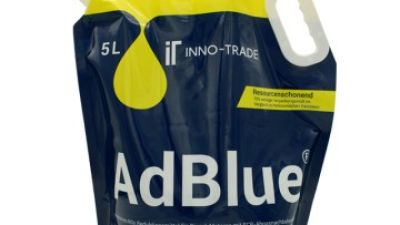
The 5L spouted doypack is becoming an increasingly practical option for liquid and semi-liquid products, reflecting market demand for lightweight, space-saving, and user-friendly packaging. Compared with rigid containers, its flexible structure can reduce storage volume and improve transport efficiency, while the integrated spout supports controlled pouring and convenient dispensing. This format is suitable for family-sized juice, dairy products, sauces, dressings, cooking ingredients, and other everyday liquids that require reliable handling at home or in commercial settings.
Designed for both convenience and product protection, these Spout Bags are produced in a modern manufacturing facility with carefully selected flexible materials and a dependable sealing system. The strong seal helps prevent leakage, protect freshness, and reduce the risk of spills during transportation or use. A practical 5L capacity provides a balance between high-volume storage and manageable operation, while the mouthpiece makes it easier for consumers to pour or dispense contents without opening the entire package. As consumer preferences continue to shift toward efficient and versatile packaging, 5L spouted doypacks offer suppliers a flexible solution for serving diverse product categories and usage scenarios.
: Study your food’s moisture, oil, acidity, and oxygen sensitivity. Each product needs different protection. Do not choose by price alone.
Pouches save storage space and handling effort. Trays improve product visibility. Cartons offer stronger stacking support. The format must protect the food during transport.
No. A shiny pouch proves little. Check seal strength, puncture resistance, opening force, and leak performance. A weak corner can spoil the entire package.
Yes. Test the filled package with the real product. Repeat testing after transport, refrigeration, and storage. Test the real product. Empty samples may hide failures.
Request material specifications, barrier data, batch records, and test results. Review oxygen transmission and water vapor transmission rates. They should match the intended shelf life.
Ask for monthly output, realistic lead times, backup equipment, and delivery records. Seasonal demand may expose weak capacity. Impressive machinery is not enough.
Review printing, forming, sealing, and inspection methods. Ask how workers monitor thickness, dimensions, seal strength, and color accuracy. Digital inspection helps, but human review still matters.
Confirm size, shape, barrier performance, closure design, finish, and printing limits. Ask for prototypes before full production. Clarify tooling costs, minimum quantities, revisions, and specification ownership.
Pilot runs can reveal defects before long-term supply begins. However, pilot results may differ from full production. Review uncomfortable findings honestly. Convenient choices are not always strong ones.
Choosing the right Food Packaging supplier begins with clearly defining your product requirements, including package size, filling method, shelf-life goals, appearance, and performance needs. Evaluate suitable materials, formats, and barrier properties to ensure protection from moisture, oxygen, light, contamination, and physical damage. It is also important to verify the supplier’s certifications, regulatory compliance, traceability procedures, testing methods, and quality management systems.
You should then compare production capacity, equipment, technical expertise, and customization options to determine whether the supplier can support both current and future demand. Review pricing carefully, including minimum order quantities, tooling costs, lead times, shipping arrangements, and inventory flexibility. Finally, assess the supplier’s sustainability practices, communication quality, responsiveness, and after-sales support. A reliable long-term partner should offer consistent quality, transparent cooperation, practical solutions, and the ability to improve packaging performance while meeting operational and environmental objectives.