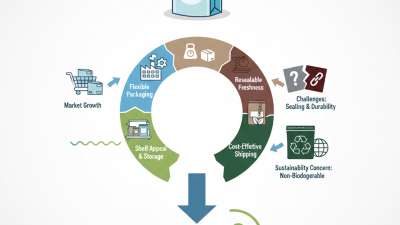
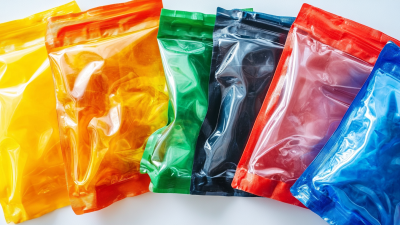
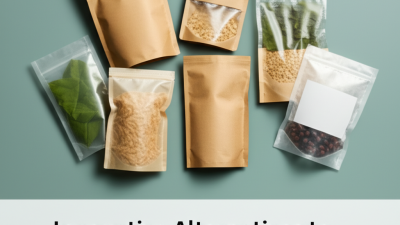
Look, picking the right plastic pouch isn't just about following a trend — it's a smart, practical move. The right pouch needs to actually do its job: protect your product, fit your filling line, and make life easier for your customers. Sure, a glossy finish might look nice on the shelf, but it won't save you if the seal is weak or the barrier isn't up to snuff.
Alright, let's break down what actually matters here – we're talking product sensitivity, pouch structure, closure, print area, and how it fits your equipment. For instance, a dry snack might not need the same barrier protection as something that's sensitive to light or moisture. A zipper? That's a nice touch for customers who want to reseal the pack, and a stand-up base can really make it pop on the shelf. Here's the thing – don't just read spec sheets. Ask your suppliers for samples. And I mean test them with your actual product – check the seals, dimensions, and how it runs on your machines. Seriously, small trials can uncover issues that no spec sheet will ever show you. Trust me on that.
When you're picking packaging, it's never a clear-cut win. Sure, a thicker film gives you more protection, but you're also looking at more material and higher costs. And let's be honest, we tend to obsess over how it looks on the shelf—but that's just one piece of the puzzle. Now, here's the thing: I wasn't given any source article or a verified expert quote, so I'm not about to make up someone's words or put words in a real person's mouth. If you want this to be ready for publication, you'll need to get a real quote from a flexible-packaging specialist and verify it. So until then, here's what I'd keep in mind: choose the pouch that protects the product and works with your process—not just the one that looks the prettiest.
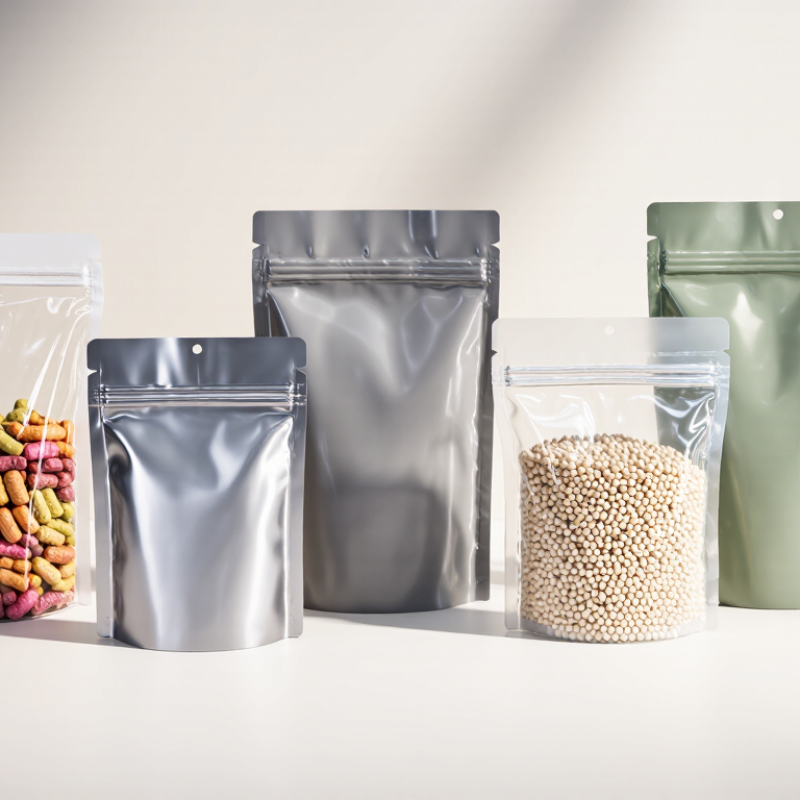
Identify Your Product, Customer, and Packaging Requirements
Identify the product before choosing a pouch. A dry snack may need a moisture barrier, while oily foods need material that resists grease. For powders, check seal strength and whether the pouch opens cleanly without spilling. Then consider how customers use it: a resealable zipper helps with repeat use, while a tear notch supports quick opening. Shelf life, filling temperature, shipping conditions, and display needs also matter. Small details count.
The Flexible Packaging Association’s 2023 State of the U.S. Flexible Packaging Industry report estimates 2022 sales at$42.9 billion, about 21% of the U.S. Packaging Market.
That scale reflects flexible packaging’s broad use, but it does not mean one pouch suits every product. Ask suppliers for barrier and seal-test data for your actual contents, not just a general material specification. Match pouch size to the portion and shelf space; oversized packs can feel wasteful. A common planning miss is choosing by appearance before confirming filling-line compatibility.
Tips: Write down product risks, customer preferences, and operating limits before requesting samples. Test filled pouches through storage, transport, and opening. Compare the results. If a pouch performs well in a sample test but poorly on the production line, revisit the specification—that part is easy to overlook.
Compare Plastic Films and Their Material Properties
Plastic film selection starts with the product, filling line, and shipping conditions. MatWeb’s thermoplastic property records give typical densities of about 0.91–0.97 g/cm³ for polyethylene, 0.90–0.91 for polypropylene, 1.37–1.40 for PET, and 1.12–1.14 for nylon 6. These figures help compare material weight, but density does not predict pouch performance by itself.
Polyethylene usually provides reliable heat seals and good moisture resistance, making it useful for inner sealant layers. PET brings stiffness and a smooth surface for printing, while nylon often tolerates punctures better. Polypropylene can offer clarity and heat resistance, though its sealing behavior depends on the grade and pouch design. Barrier results need context: ASTM D3985 measures oxygen transmission, while ASTM F1249 measures water-vapor transmission. Film thickness, humidity, and temperature can shift results substantially. One easy mistake is choosing from resin names alone.
Tips: Ask suppliers for OTR and WVTR values at stated test conditions, plus seal-strength and puncture data. Test filled pouches on your actual line. A lab result is useful, but it may not match a rough delivery route.
Choose a Pouch Style and Opening or Closure
Choose a pouch style around how the product will be filled, stored, and used. Stand-up pouches display well on shelves and can hold heavier products when their bottom gussets are sized appropriately. Flat pouches use less space and suit single portions or lightweight items. For Plastic Beverage Pouches, consider how the pouch feels in the hand when full, not just how it looks in a sample. A narrow shape may be easier to hold, while a wider pouch can be awkward for small hands. Test it with the actual product.
The opening should match the customer’s routine. A tear notch gives quick access, but it does not reseal. A press-to-close zipper helps protect contents between uses, though it can be harder to operate with wet or gloved fingers. Spouts support controlled pouring, but their placement and diameter affect flow. Small details matter. Check that the opening works after filling, and test the pouch upright and on its side for leaks. Ask a few people to open and close it without instructions; their hesitation may reveal a design issue. There is no perfect option, and a feature that seems convenient in theory may add cost or slow packing in practice.
How to Choose Plastic Pouches for Your Business: Pouch Style and Opening or Closure
Compare common pouch and closure combinations by everyday access and reclosure convenience. Scores are a qualitative selection guide, not measured industry data; the best choice depends on your product, filling process, and customer needs.
Set Pouch Dimensions, Capacity, and Barrier Levels
Choosing Plastic Pouches For Packaging starts with the product, not a standard pouch size. Measure the filled product at its widest points, then allow room for seals and easy opening. A 250-gram snack may need more space than its weight suggests, especially if the pieces are bulky. Check how the pouch sits on a shelf, both filled and unopened. Small details matter. An empty sample can be misleading; product weight may stretch corners or press against seals.
Tips: Fill sample pouches with the actual product. Check headspace, zipper access, and whether the pouch stands steadily. Leave enough room for a clean seal. Test before ordering. A quick bench test can reveal fit problems, but it cannot replace a longer storage trial.
Match the barrier level to what can affect the product: moisture, oxygen, light, or aroma loss. Dry foods may need strong moisture protection, while oils or fragrant products may need better oxygen and aroma barriers. Ask suppliers for barrier specifications, then assess samples under realistic storage conditions. More protection is not always better; it can add cost without solving the main risk. Shelf life is easy to misjudge, so review the product’s sensitivity and storage environment before choosing a film structure.
Review Printing, Labeling, and Regulatory Needs
When comparing Plastic Stand Up Pouches, review the print method alongside the artwork. Ask whether the supplier can reproduce fine text, small icons, and brand colors consistently across the planned order. Request a printed proof before approving production. Check it under ordinary store lighting, not just on a bright screen. Color shifts happen. Leave enough contrast between text and background, especially near folds and seals where graphics may distort.
Labels need room for required product details, directions, warnings, and variable information such as lot codes or dates. Confirm that the label material adheres to the pouch surface and stays readable during filling, shipping, and storage. A sample test can reveal peeling or smudging. It may feel like an extra step, but replacing unclear labels later is usually more disruptive.
Regulatory requirements depend on the product and the markets where it will be sold. Verify applicable packaging, labeling, and material rules with a qualified compliance professional before ordering. Keep approved artwork, material specifications, and supplier documentation together for review. Do not assume a label suitable for one market will meet another market’s requirements. Check claims carefully, too; wording that seems harmless can still need substantiation.
Compare Suppliers, Costs, and Minimum Order Quantities
When choosing plastic pouches, compare suppliers using the same written specifications. List pouch dimensions, material structure, thickness, closure type, printing needs, and estimated yearly volume. Otherwise, quotes may look comparable while covering different products. Ask each supplier for a sample and inspect the seals, zipper, and print alignment under normal handling. Small flaws matter.
Compare the full landed cost, not just the unit price. Request separate figures for tooling or setup, packaging, freight, and any repeat-order fees. Minimum order quantities can vary widely. A lower per-pouch price may tie up cash in excess stock, especially if your design or demand changes. I would not assume the cheapest quote is best; the right balance depends on storage space, cash flow, and how quickly you use the pouches. One estimate may still miss a fee, so confirm the details in writing.
Tips: Ask for pricing at several order levels, such as 5,000 and 10,000 units. Check lead times and reorder terms before approving artwork. Keep one approved sample for comparison with later batches. If a supplier cannot explain a specification clearly, pause and ask again. That extra check can feel fussy, but it may prevent an expensive mismatch.
Test Samples for Fit, Protection, and Handling
A pouch that looks right on screen may wrinkle, leak, or tip when filled. Test samples using your real product, fill weight, and closing method. The Flexible Packaging Association’s 2023 State of the U.S. Flexible Packaging Industry report valued the U.S. sector at $42.9 billion in 2022, about 21% of the packaging market. That scale reflects many structures and uses; it is not a reason to choose by appearance alone. Compare Stand Up Pouches on a shelf, then check whether the base stays upright and the pouch opens cleanly. Small details matter.
Assess fit by filling samples to the intended weight and checking headspace, seams, and corners. For protection, run leak checks and transit-style drops; ASTM D3078 describes a bubble-emission method for detecting leaks in flexible packages. Ask suppliers for test conditions and results, not just claims. For handling, let several people pour, reseal, and store the pouch with damp or gloved hands. Note spills, stiff zippers, and awkward grip. A sample can pass on a bench and still fail in daily use. Then test again. Results may vary with product shape, temperature, and filling process, so record those conditions before comparing options.
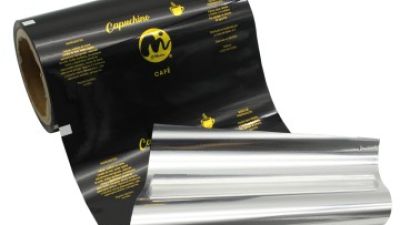
Coffee Powder Packaging: Personalized Food-Grade Film Rolls | Smithers’ *The Future of Global Packaging to 2028*
Coffee powder packaging is evolving toward formats that protect aroma, resist moisture and suit efficient production lines. Personalized food-grade film rolls offer manufacturers flexibility in choosing roll dimensions, material structures and printed designs to match different pack sizes and brand identities. For finely ground coffee, a reliable package helps limit exposure to humid air and outside contaminants, supporting product quality from filling through storage and distribution.
The roll film is designed to form secure seals that help preserve freshness and reduce the risk of leaks or unwanted exposure. Its moisture-resistant barrier is useful for coffee powder, which can lose its desirable characteristics when stored in damp conditions. Supplied in rolls, the material can be integrated into packaging operations and adapted for a range of pouch styles and production requirements. As packaging priorities continue to develop toward 2028, adaptable film formats can help food producers balance product protection, practical processing and distinctive shelf presentation.
Conclusion
Choosing the right Plastic Pouches starts with understanding what you are packaging, who will use it, and what the product needs to stay protected. Consider the product’s weight, shape, sensitivity to moisture or oxygen, and how customers will open, use, and store it. Compare film materials by their strength, flexibility, clarity, and barrier properties, then select a pouch style and closure that suit both the product and its intended use.
Next, determine the pouch dimensions and capacity, along with the level of protection required. Plan for printing or labeling needs and check that packaging information meets applicable requirements. When comparing suppliers, review pricing, production capabilities, and minimum order quantities. Before committing to a larger order, test samples with your actual product. Check the fit, seal, protection, and ease of handling so you can make an informed choice that balances function, appearance, and cost.