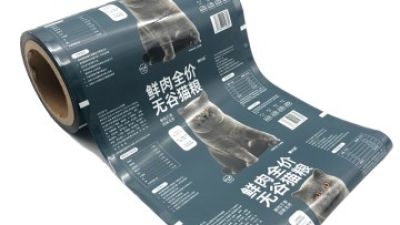
Picking the right plastic wrapper isn’t just about grabbing the thickest film out there. Honestly, it’s more complicated than that. Things like the weight of the product, surface texture, moisture levels, temperature, how far it’s gotta travel, and even how people open it all play a role in how well it performs. For example, a wrapper that’s perfect for keeping produce fresh might not hold up if it comes into contact with sharp edges or hardware. On the flip side, that glossy-looking film might seem attractive, but it could cause headaches on a busy packaging line because sealing becomes tricky. So, it’s really about finding the right balance.
Walter Soroka, a well-respected expert and author in packaging, once described packaging as “the science, art, and technology of enclosing and protecting products for distribution, storage, sale, and use.” Honestly, that still holds true today. A good Plastic Wrapper should safeguard the product, make handling easier, and look professional—all without wasting extra material. Polyethylene films are pretty popular because they’re flexible and resistant to moisture. Shrink films give you that tight, tight seal, while stretch films help stabilize groups of products during transit. But, each type has its limits.
Even tiny details matter here. For instance, a weak seal could let dust or humidity sneak in, ruining the contents. Too much tension while sealing might crush or damage delicate items. And if the film isn’t right, it can lead to waste, machine breakdowns, or delays. Believe me, even the most experienced teams mess this up sometimes. A wrapper might perform perfectly in a lab test but struggle in a cold warehouse or at a faster production line. That’s why choosing the right one isn’t just about the specs—testing things out in real-world conditions, doing trial runs, checking seal strength, and making sure it holds up during actual distribution is key. So, the “best” plastic wrapper isn’t always the cheapest or the strongest—it’s the one that strikes the right balance between protection, usability, looks, efficiency, and environmental impact. And honestly, it’s smart to stay open to revising your assumptions. Packaging choices should always be based on real evidence, not just guesses or trends.
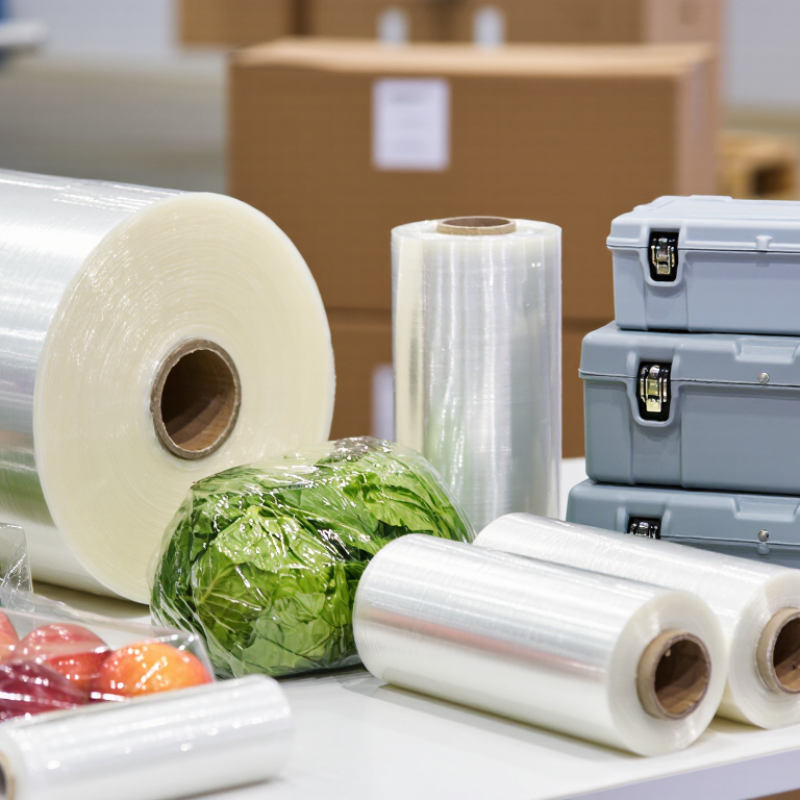
Plastic Wrapper Materials and Their Core Properties
Plastic Wrapper Packaging depends on product weight, moisture sensitivity, heat exposure, and handling conditions. Polyethylene films are flexible, puncture resistant, and useful for everyday wrapping. Polypropylene offers a clearer surface and stronger resistance to oils. Polyester provides stiffness and dimensional stability when printed graphics must remain sharp. For oxygen-sensitive foods, multilayer films can combine barrier layers with sealable plastics. Each layer has a job. No single film performs best everywhere.
In practical packing tests, I check seal strength, tear behavior, and film recovery after stretching. A wrapper may look durable, yet split at a sharp corner. Thin film can reduce material use, but it may fail during warehouse stacking. Moisture barriers protect powders and dry goods from humidity. Oxygen barriers help preserve aroma and color. Light-blocking layers can protect sensitive contents. These properties should match the product, not just the package appearance. I still find real handling tests more revealing than a supplier data sheet.
Tips: Place a filled sample on a rough carton edge and pull it slowly. Watch for pinholes, whitening, and seal separation. Test both warm and cool conditions. A good result in one room can mislead. Also review recyclability, printing needs, and end-of-life options early. Material selection is often a compromise, and that compromise deserves careful documentation.
How Packaging Needs Determine the Right Wrapper Type
Choosing the best plastic wrapper starts with the product, not the packaging machine. Moisture-sensitive foods may need a high-barrier multilayer film that limits water vapor and oxygen. Fresh produce often needs controlled breathability instead. A low-density polyethylene wrapper offers flexibility and reliable heat sealing. Polypropylene can provide better stiffness and clarity. Heavy or sharp items may require stronger puncture resistance. The wrapper must also match the filling temperature, sealing speed, and storage conditions.
Tips
Test the actual product inside the wrapper. Measure seal strength, leakage, puncture resistance, and package appearance after storage. Ask for migration data and technical specifications from qualified suppliers. A film that works in a dry warehouse may fail in a humid delivery truck. Small trials reveal problems early.
In my packaging work, I have seen attractive films split around corners during transport. I have also seen strong films seal poorly because the machine settings were unsuitable. No wrapper is perfect. Cost, recyclability, barrier performance, and production speed often compete with each other. A thinner film may reduce material use, yet it can create more waste if packages fail. Compostable options may suit specific applications, but they still need proper heat, moisture, and shelf-life testing. The right choice comes from measured product needs, realistic handling conditions, and repeatable quality checks.
Common Plastic Films Used for Product Packaging
What Type of Plastic Wrapper Is Best for Packaging?
Common Plastic Films Used for Product Packaging
Choosing a plastic wrapper starts with the product, not appearance. Polyethylene film is flexible, moisture-resistant, and widely used for bags, liners, and outer wraps. Low-density polyethylene feels soft and seals easily. High-density polyethylene offers more stiffness and puncture resistance. Both work well for everyday packaging, but neither blocks oxygen especially well.
Polypropylene film provides good clarity, crisp folding, and strong resistance to oils. It suits snack packs, labels, and items needing a clean display. Cast polypropylene seals reliably across a practical temperature range. Oriented polypropylene is stiffer, but it can become less forgiving during sealing. Small setting errors may cause weak seams. Polyvinyl chloride film stretches tightly around trays and retail products. It is clear and economical, although its use depends on local regulations and the product’s requirements.
Polyester film delivers stronger dimensional stability and better resistance to heat. It is often laminated with another film when oxygen or aroma protection matters. Laminated structures perform well, but they can complicate recycling. That trade-off deserves careful review. For moisture-sensitive goods, a film with a suitable barrier layer may protect quality longer. However, barrier performance changes with thickness, humidity, and seal quality. Packaging teams should test filled samples, not empty film alone. Wrinkles, sharp edges, and storage temperatures can expose weaknesses that laboratory assumptions miss. A wrapper may look excellent on the shelf and still fail during transport. Selection should also confirm food-contact compliance, printing compatibility, and end-of-life options for the intended market.
Barrier, Strength, and Flexibility Requirements
What Type of Plastic Wrapper Is Best for Packaging?
Barrier, Strength, and Flexibility Requirements
Choosing a plastic wrapper starts with the product’s real environment. A dry snack may need moisture protection, while roasted coffee can require strong oxygen and aroma barriers. Products exposed to light may also need protection from ultraviolet damage. In packaging trials, I check barrier performance after sealing, folding, and storage. A film that performs well on a flat test sheet may behave differently around sharp edges.
Strength matters during filling, transport, and shelf handling. Puncture resistance helps protect items with corners or rough surfaces. Tensile strength supports heavier contents, but excessive stiffness can slow packaging equipment. Seal strength is equally important. A strong film with weak seals still creates avoidable failures. It happens more often than expected.
Flexibility should match the package shape and machine movement. Soft film can wrap curved products neatly and reduce wrinkles. However, very flexible material may stretch, distort printing, or form uneven seals. A Plastic Bag Plastic Bag search may return simple options, but selection needs more than a keyword. I recommend comparing thickness, tear resistance, seal temperature, and barrier data from controlled tests. There is no perfect wrapper for every application. Sometimes, the first choice is simply wrong. Reviewing failed samples can reveal the better balance between protection, strength, and easy handling.
Comparing Wrapper Performance Across Product Categories
Choosing the best plastic wrapper depends on the product, not appearance alone. In packaging trials, I compare puncture resistance, seal strength, moisture control, and ease of opening. A clear wrapper may display fresh goods well, but it can weaken under heat or rough handling.
For bakery items, a flexible polyethylene film can protect softness while allowing quick sealing. It may not block oxygen well, so oily foods need a stronger barrier layer. Meat and frozen foods require tougher films that resist leaks, sharp edges, and low temperatures. Small electronic parts need antistatic protection, while clothing usually needs light film with reliable tear resistance. A Plastic Plastic Bag can suit basic retail packing, but its performance varies with thickness and recycled content.
Testing should reflect real use. Drop filled packages onto a hard surface. Pull the seal by hand. Leave samples in a humid room overnight. One package passed the factory test, yet its corner split during transport. That result changed our view of thickness alone. Thicker film is not automatically better; it can waste material and make opening frustrating. For dependable selection, record temperature, product weight, storage time, and handling conditions. Packaging decisions still involve trade-offs, and some results remain surprisingly difficult to predict.
Safety, Sustainability, and Regulatory Considerations
What Type of Plastic Wrapper Is Best for Packaging?
The best plastic wrapper balances product protection, safety, environmental impact, and legal compliance. There is no universal winner. A film that protects dry snacks may fail around oily foods or frozen products. During packaging trials, check seal strength, puncture resistance, odor transfer, and moisture control. A weak seal can waste more material than a slightly thicker wrapper.
Safety should guide every material choice. Ask for food-contact declarations, migration-test results, and clear information about inks, coatings, and adhesives. These documents should match the product, temperature, storage time, and destination market. Regulations differ between countries and may change. Keep supplier records and test samples from each production batch. A certificate alone is not enough.
Sustainability requires careful measurement, not attractive claims. Lightweight films can reduce material use, but poor recyclability may weaken the benefit. Mono-material structures may be easier to sort, although they can lose barrier performance. Recycled content can lower environmental impact, but its suitability depends on contamination controls and local rules. Avoid vague words such as “green” or “eco-friendly” without evidence. A recyclable wrapper is not truly useful where collection systems are unavailable. That is an uncomfortable point. Still, it matters. Select the simplest structure that protects the product, verify its legal status, and explain disposal instructions clearly.
Selecting the Best Plastic Wrapper for a Specific Application
Selecting the best plastic wrapper starts with the product, not the package appearance. A thin polyethylene film suits dry goods and simple moisture protection. Products containing oils, aromas, or sharp edges need stronger sealing and puncture resistance. Heat-sensitive contents may require low-temperature sealing layers. Start with the product’s risks. Not its color.
The OECD’s Global Plastics Outlook reports that packaging created about 40% of plastic waste in 2019. It also found that only 9% of plastic waste was recycled globally. These figures make material reduction important, but thinner is not always better. A weak film can increase food damage, leakage, and replacement waste. The UNEP report Turning off the Tap estimates that systemic changes could reduce global plastic pollution by 80% by 2040. Reuse and improved design matter alongside recycling.
In practical testing, compare seal strength, tear resistance, oxygen transmission, and moisture transmission. Measure performance after transport, not only on a clean production line. Recycled content can support a lower-impact design, yet its consistency may require closer quality checks. In procurement documents, the phrase Plastic Bag Plastic is too vague. Specify resin type, thickness, barrier needs, recycled content, and end-of-life route. I have seen attractive films fail at the corners. That mistake is worth documenting.
Custom Plastic Packaging Film for Pet Food Brands: Materials, Benefits, and China Sourcing Guide
Custom plastic Packaging Film gives pet food brands a practical balance of protection, shelf appeal, and production efficiency. Polyethylene (PE) provides flexibility and moisture resistance, while polypropylene (PP) offers stiffness, clarity, and strong heat-sealing performance. Multilayer structures can combine barrier properties against oxygen, aromas, and water vapor, helping preserve freshness in dry food, treats, and powdered products. The OECD’s *Global Plastics Outlook* identifies packaging as accounting for approximately 40% of global plastic use, highlighting the importance of selecting thinner, more resource-efficient structures without compromising product protection.
For customized packaging, suppliers can adjust film thickness, seal strength, transparency, printing quality, and puncture resistance according to bag size and filling process. China sourcing can also support cost-effective production through integrated film extrusion, printing, laminating, and bag-making capabilities. Buyers should evaluate resin specifications, food-contact documentation, migration testing, factory quality systems, and production consistency before placing an order. Industry analyses from Grand View Research indicate continued growth in the global pet food packaging market, driven by convenience formats and premium product positioning, making reliable flexible film an increasingly important part of packaging development. A qualified China factory can provide PE, PP, or laminated film solutions with moisture-resistant performance and customized dimensions for different pet food applications.
FAQS
Start with product weight, moisture sensitivity, temperature, and handling conditions. Appearance alone is not enough. Test the actual product.
Polyethylene film offers flexibility, puncture resistance, and dependable heat sealing. It suits many routine wrapping tasks. Sharp corners remain a concern.
Polypropylene provides clearer surfaces, greater stiffness, and good oil resistance. It can display products neatly. Heat performance still requires testing.
Multilayer film combines different protective functions. Barrier layers can limit oxygen and moisture. Sealable layers help close the package securely.
Check seal strength, leakage, puncture resistance, tearing, and stretching recovery. Drop filled samples onto a hard surface. Pull the seals slowly.
Humid rooms may expose weak moisture barriers. Cold conditions can make some films less flexible. A wrapper passing indoors may fail in transit.
No. Thicker film may resist damage, but it can waste material and frustrate opening. Thin film may split during stacking. The balance is imperfect.
Bakery items often need flexible wrapping that protects softness. Frozen goods need leak and low-temperature resistance. Small electronic parts may need antistatic protection.
Polyester can provide stiffness and dimensional stability for sharp graphics. Clear films may improve product visibility. Printing needs should not outweigh protection.
Yes. Review recyclability, recycled content, and end-of-life options early. A technically strong wrapper may still create disposal challenges. Some choices remain uncertain.
Conclusion
Choosing the best Plastic Wrapper for packaging depends on the product, storage conditions, and performance requirements. Common materials include polyethylene, polypropylene, polyester, and multilayer films, each offering different levels of strength, flexibility, transparency, heat resistance, and moisture protection. The ideal wrapper should provide the right balance of barrier performance, durability, sealability, and ease of handling. Products sensitive to oxygen, humidity, light, or odors may require specialized barrier layers, while items with irregular shapes or demanding transport conditions may need stronger and more flexible films.
Packaging decisions should also consider product safety, recyclability, material efficiency, and applicable regulatory requirements. Food, medical, household, and industrial products can have very different packaging priorities, so one material cannot meet every application equally well. To select the most suitable Plastic Wrapper, evaluate the product’s physical characteristics, expected shelf life, distribution environment, sealing method, appearance, and sustainability goals. Testing the wrapper under realistic conditions can help confirm its protection, performance, and overall suitability before full-scale production.