Picking the top 10 Plastic Bag suppliers for international buyers isn't just about comparing prices. You really gotta look at whether they can deliver consistent film thickness, strong seals, proper documentation, and stable production capacity. Names like Berry Global, Novolex, Inteplast Group, Mondi, Coveris, ProAmpac, and BioBag often come up when folks talk about sourcing globally. But let’s be honest—reputation alone doesn’t cut it.
Packaging expert Dr. Susan Selke once said, “Packaging is a system, not just a container.” That really hits home when you're evaluating these suppliers. Buyers should dig into things like resin traceability, recycled content, food-contact safety docs, factory audits, minimum order quantities, and their experience with exporting. Sure, a sample might feel perfect in your hand, but it could fail during pallet stacking or get damaged in a humid warehouse. Little details like that matter a lot.
In reality, buying stuff like this isn’t always smooth sailing. A super low price per unit might hide hidden costs—like expensive tooling, weak seals, or shipping delays. Some suppliers are great communicators but struggle to deliver customized sizes. Others might offer cutting-edge materials but only if you're ready to place bigger orders than you maybe want. A quick online search for “plastic bags” will give you a ton of listings, many of which look appealing—but you really gotta verify those claims. This guide aims to help you compare suppliers based on real evidence, not just flashy marketing talk. It looks at product range, quality standards, certifications, eco info, customization options, and customer support.
Of course, things change—factories update, regulations evolve, costs fluctuate—and that means rankings aren’t set in stone. It’s totally okay to admit that. As a careful buyer, you should always ask for current test reports, production samples, and detailed specifications before you commit to any order. Better safe than sorry, right?
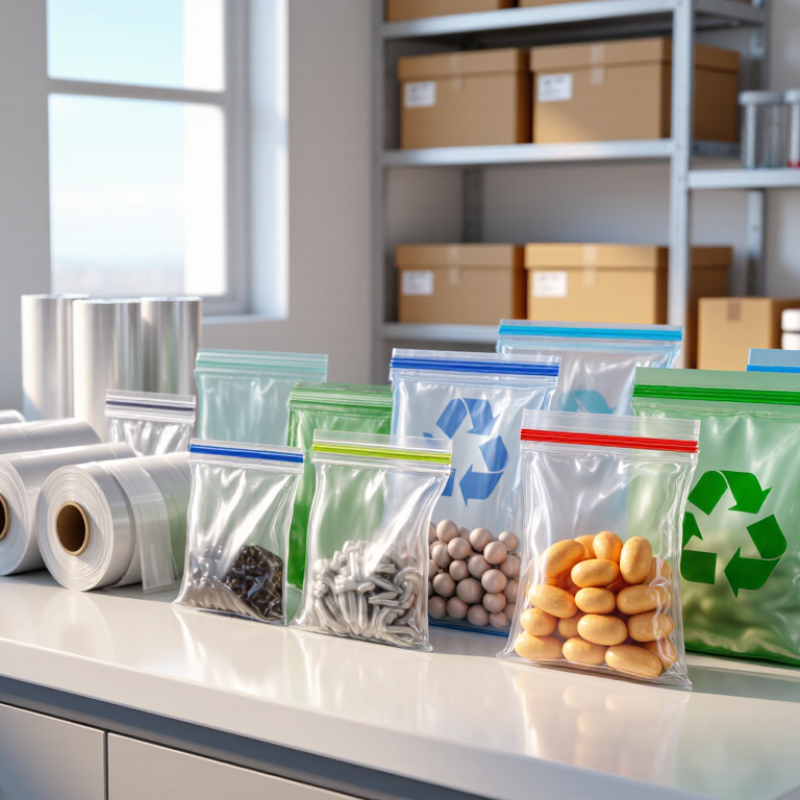
A reliable plastic bag supplier gives global buyers more than a low quotation. They provide clear material specifications, stable production, and evidence of quality control. Buyers should check resin type, thickness tolerance, load strength, sealing performance, and printing accuracy. A professional supplier can explain these details without vague promises. This matters when a Bag Plastic Bag must survive long transport, warehouse stacking, or humid conditions.
Experience appears in the small details. Reliable suppliers send production samples, confirm packaging methods, and share realistic lead times. They should also provide traceability records, factory audit information, and applicable testing documents. Communication must remain precise across time zones. One delayed reply can become a costly shipment problem. However, no supplier is flawless. A careful buyer should examine past corrective actions, not expect a perfect record. That review may reveal more than polished sales language.
Tips: Request a physical sample before placing a large order. Compare the sample with the approved specification. Ask how rejected products are separated and recorded. Confirm carton labels, pallet limits, payment terms, and shipping responsibilities in writing. Avoid choosing only by price; unusually low costs may hide thinner material or weaker inspection. I have found that simple questions often expose unclear processes. Still, even a detailed checklist cannot remove every risk. Build a backup plan for delays, quality disputes, and changing demand.
Choosing A Plastic Bag supplier requires more than comparing unit prices. The OECD’s Global Plastics Outlook reports that packaging created about 40% of global plastic waste in 2019. That figure makes material selection a serious purchasing decision. Ask for resin origin, recycled-content evidence, thickness tolerance, and batch traceability. A supplier should provide recent test records, not only attractive samples.
Production capability matters under real warehouse conditions. Request seal-strength, tensile, puncture, and drop-test results. ASTM methods can make comparisons more consistent. Check whether the factory controls film extrusion, printing, bag conversion, and final inspection internally. Review ISO 9001 procedures, calibration records, and corrective-action reports. Small details matter. A loose seal can ruin an entire pallet.
Sustainability claims need careful verification. UNEP’s Turning off the Tap report states that plastic pollution could be reduced by 80% by 2040 through reuse, recycling, and better product design. Therefore, evaluate downgauging plans, recyclable structures, and documented material content. For a Plastic Plastic Bag order, confirm dimensions, load capacity, odor limits, color consistency, and packaging protection. Visit the production site when possible. If travel is impossible, request timestamped inspection videos and independent pre-shipment testing. A low quotation can still become an expensive mistake. No scorecard is perfect; buyers should revise it after every shipment.
The ten leading plastic bag suppliers are best compared by product strengths, not catalog size. Retail specialists typically offer thin, high-clarity bags with clean seals and accurate printing. Heavy-duty manufacturers focus on woven polypropylene sacks for grains, minerals, and construction materials. Flexible Packaging experts supply multilayer films that protect against moisture, oxygen, and light.
The OECD’s Global Plastics Outlook reports that packaging created about 40% of global plastic waste in 2019. This figure makes material reduction a serious purchasing issue. Suppliers using downgauged film can reduce resin consumption, but weaker bags may increase product loss. That trade-off deserves testing. A Plastic Bag Plastic specification should state film thickness, tensile strength, seal temperature, and recycled-content percentage. Compostable formats may suit controlled collection systems, yet they can fail in ordinary disposal streams. I have seen attractive sustainability claims become vague during technical reviews.
Tips: Request samples from at least three suppliers. Test filled bags after stacking, dragging, and heat exposure. Check batch records, food-contact documentation, and factory audit results. Ask for measured data, not broad phrases like “eco-friendly.” Also compare minimum order quantities, lead times, and packaging density. The best supplier may not offer the lowest unit price. It may prevent leakage, rework, and rejected shipments.
Choosing the right Plastic Bag starts with its intended use, not its appearance.
Grocery carriers need strength and reliable handles. Produce bags require clarity, softness, and easy opening. Mailer bags need tear resistance and secure closures. Heavy-duty sacks may need reinforced bottoms. Common materials include polyethylene, recycled plastic, compostable blends, and paper-plastic laminates. Each option changes durability, cost, sealing performance, and disposal requirements.
Customization can include size, thickness, color, printing, handles, zippers, and perforation. A supplier should provide material specifications, sample approval, and production-quality checks. Ask for thickness measurements rather than accepting vague terms like “extra strong.” Request print samples under normal lighting. Small color differences can affect a retail package. I have found that attractive samples sometimes hide weak seals. No material is perfect, and “eco-friendly” claims still need careful verification.
Tips: Match the bag to its load and storage conditions. Test filled samples before ordering large volumes. Check whether recycled content affects strength or appearance. Confirm packaging, labeling, and recycling information for each destination market. Keep written specifications for every revision. A slightly thicker bag may reduce returns, but it can also increase material use. That trade-off deserves honest review. Ask suppliers how they control thickness, seal temperature, ink adhesion, and batch consistency. Short answers can be warning signs.
When comparing the 10 best plastic bag suppliers for global buyers, quality control should come before price. I look for documented inspections at raw material, production, and packing stages. A reliable supplier checks thickness, dimensions, tensile strength, seal strength, and print accuracy. Small differences can cause major filling or shipping problems. Ask for recent batch records, not only polished product photos.
Certifications offer useful evidence, but they do not replace verification. ISO 9001 can indicate a controlled quality system, while ISO 14001 reflects environmental management practices. For food-contact bags, request applicable migration testing and declarations of compliance. Requirements may differ by destination, material, and intended use. Check whether test reports identify the exact resin, ink, adhesive, and finished product. Generic documents are a warning sign.
Regulatory compliance also requires traceability. Each shipment should connect to a production batch, inspection report, and packaging record. I have seen buyers accept an old certificate, then discover that the factory changed its film structure. That mistake is easy to make. It is also expensive. A pre-shipment inspection can confirm labeling, carton counts, odor, cleanliness, and sealing performance. Independent laboratory testing adds confidence when the order serves several markets. Still, no supplier review is perfect. Samples can pass while later production varies. Contract terms should define rejection limits, corrective actions, and record retention. Clear evidence matters more than confident promises.
| Supplier Profile | Primary Manufacturing Region | Main Bag Applications | Common Film Materials | Typical Production Capability | Quality Management | Food-Contact Compliance | Environmental and Chemical Compliance | Key Quality-Control Checks | Traceability Practice | Buyer Suitability |
|---|---|---|---|---|---|---|---|---|---|---|
| Supplier Profile 01 | East Asia | Retail carrier bags, shopping bags, courier bags | HDPE, LDPE, LLDPE, recycled-content PE | Blown-film extrusion, flexographic printing, heat sealing, die cutting | ISO 9001-oriented system; incoming, in-process, and final inspection | Can support documentation aligned with EU Regulation 10/2011 and applicable U.S. FDA food-contact requirements when the resin and additives are approved | REACH substance screening; recycled-content evidence available by project; plastic-bag thickness and labeling requirements require destination-country review | Film thickness, width, tensile strength, elongation, seal strength, print adhesion, visual defects | Batch number linked to resin lot, production date, machine, and inspection report | High-volume retail programs |
| Supplier Profile 02 | Southeast Asia | Garbage bags, refuse sacks, drawstring bags | LDPE, LLDPE, HDPE, post-consumer recycled PE | High-output extrusion, star-seal and flat-seal conversion, roll or folded packing | Documented inspection plans; lot sampling based on agreed AQL levels | Food-contact use is application-dependent and requires migration testing; non-food refuse applications generally have fewer food-contact requirements | Recycled-content claims require supplier declarations and chain-of-custody records; REACH and heavy-metal screening may be requested | Gauge uniformity, bag dimensions, leak testing, drop testing, odor, tear resistance, drawstring attachment | Color masterbatch, resin lot, operator, and packaging records retained by production batch | Commercial and municipal waste programs |
| Supplier Profile 03 | South Asia | Produce bags, bakery bags, frozen-food bags, packaging liners | PE, CPP, BOPP-laminated structures, metallized films for selected uses | Film extrusion, lamination, pouch conversion, rollstock production | ISO 9001-style controls; laboratory testing for film and finished packs | Supports food-packaging documentation such as declarations of compliance, overall migration testing, and specific migration testing where required | EU food-contact framework review, U.S. food-contact review, ink and adhesive suitability checks, and restricted-substance declarations | Coefficient of friction, seal initiation temperature, migration testing, seal integrity, barrier performance, dimensional checks | Raw-material approval, artwork version control, production coding, and retained samples | Food and flexible-packaging buyers |
| Supplier Profile 04 | Southern Europe | Industrial liners, pallet covers, agricultural bags, heavy-duty sacks | LLDPE, LDPE, HDPE, recycled PE blends | Wide-width blown film, gusseting, perforation, automatic bag conversion | Formal quality and environmental procedures; calibrated testing equipment | Food-contact production may be available on segregated lines, subject to a specific declaration of compliance and testing scope | EU REACH review, packaging-waste obligations, recycled-content documentation, and applicable national plastic-bag rules | Thickness profile, dart impact, puncture resistance, tear strength, weld quality, dimensional stability | Digital production records and raw-material certificates retained for each manufacturing lot | Industrial and European distribution channels |
| Supplier Profile 05 | North America | Foodservice bags, produce bags, bread bags, retail packaging bags | HDPE, LDPE, LLDPE, certified recycled-content PE where available | High-speed film extrusion, wicketed bags, roll bags, printed packaging | Structured quality-management program; supplier approval and corrective-action procedures | Can be qualified against relevant U.S. food-contact requirements, including applicable provisions of 21 CFR for polyethylene articles | State and federal packaging requirements vary; recycled-content, labeling, and chemical restrictions must be checked for the destination market | Gauge, seal strength, coefficient of friction, odor, appearance, dimensions, print registration, package integrity | Lot codes connect resin certificates, production records, laboratory results, and shipment documents | U.S. foodservice and retail supply chains |
| Supplier Profile 06 | Middle East | Heavy-duty shopping bags, industrial sacks, construction bags | HDPE, LDPE, LLDPE, reinforced PE structures | Multi-layer extrusion, high-strength bag conversion, flexographic printing | Certification status should be verified per facility; routine physical testing is commonly available | Food-contact use requires resin-level compliance evidence, migration testing, and controlled production conditions | REACH declarations, restricted-substance testing, local packaging rules, and customer-specific environmental requirements | Tensile and tear strength, puncture resistance, handle strength, seal performance, thickness, load testing | Production date, resin batch, machine line, inspection results, and shipment pallet identification | Durability-focused applications |
| Supplier Profile 07 | Eastern Europe | Garment bags, e-commerce mailers, protective bags, retail packaging | LDPE, MDPE, coextruded PE, recycled-content PE | Coextrusion, adhesive or cold-seal options, tamper-evident mailer conversion | Quality procedures aligned with ISO 9001 principles; artwork and specification approval controls | Food-contact suitability depends on the complete structure, additives, inks, and adhesives; documentation is required for each formulation | EU REACH, packaging-waste requirements, recyclability declarations, and recycled-content verification when claimed | Seal peel force, burst resistance, adhesive strength, thickness, dimensions, opacity, print quality, tamper evidence | Artwork revision, raw-material lot, production order, operator, and final inspection report are commonly linked | E-commerce and apparel packaging |
| Supplier Profile 08 | Latin America | Retail bags, bakery bags, produce bags, agricultural packaging | HDPE, LDPE, LLDPE, recycled PE blends | Blown film, flexographic printing, handle punching, roll and stack packing | Buyer audit recommended; inspection plans can be established by product specification | Food-contact products require a documented material declaration and testing against the destination market's rules | Local plastic-bag restrictions, labeling rules, recycled-content requirements, and chemical restrictions vary by country | Thickness, bag dimensions, handle strength, seal quality, print registration, odor, and visual appearance | Batch coding and retained samples support complaint investigation and shipment-level traceability | Regional retail and agricultural buyers |
| Supplier Profile 09 | East Asia | Compostable or biodegradable-look bags, food-waste liners, specialty packaging | Certified compostable polymer blends, PBAT-based compounds, PLA-containing structures where suitable | Film extrusion, bag conversion, printing, perforation, and roll production | Material and finished-product test documentation required; formulation control is critical | Food-contact approval is separate from compostability and must be demonstrated for the intended use | Compostability claims should be supported by standards such as EN 13432 or ASTM D6400, as applicable; avoid unsupported “biodegradable” claims | Disintegration and biodegradation evidence, thickness, seal strength, tensile performance, moisture resistance, shelf-life testing | Resin formulation, certificate number, production lot, testing laboratory, and packaging date should be recorded | Certified compostable product programs |
| Supplier Profile 10 | Oceania | Reusable shopping bags, produce bags, courier satchels, retail packaging | Recycled PE, LDPE, HDPE, woven or nonwoven polypropylene alternatives | Reusable-bag conversion, printing, handle reinforcement, stitching or heat sealing | Supplier qualification and product testing recommended; durability testing is central | Food-contact use requires separate material and ink evaluation; reusable products may need cleaning and repeated-use assessment | Country-specific single-use plastic restrictions, recycled-content claims, labeling, and waste-management requirements must be reviewed | Handle load, seam strength, repeated-use durability, wash or wipe resistance, dimensions, print adhesion, odor | Component suppliers, material lot, production order, test results, and carton identification are retained | Reusable and sustainability-led programs |
Compliance requirements depend on the destination country, intended use, material formulation, printing system, and product claims. Buyers should verify current certificates, declarations of compliance, laboratory reports, recycled-content evidence, and facility audit results before placing an order.
Choosing among the ten best plastic bag suppliers requires more than comparing unit prices. In sourcing projects, I have found that a low quotation can hide higher setup fees, printing charges, or weak packaging. Ask for a detailed price sheet covering materials, thickness, dimensions, handles, artwork, and delivery terms. A supplier may quote $0.04 per bag, but the landed cost can rise after freight, duties, and inspection fees. Request product samples before approving a large order. Check seal strength, odor, film clarity, and weight consistency.
Minimum order quantities often range from 5,000 to 100,000 bags, depending on customization. Lower MOQs usually mean higher unit prices. For a first order, negotiate a pilot quantity with limited printing. Confirm production time, payment stages, and the replacement policy for defective goods. Written specifications create accountability, although they cannot replace physical inspection. I once underestimated carton volume, and freight costs changed the entire calculation.
Tips: Compare landed costs, not factory prices. Ask whether shipping uses FOB, CIF, or DDP terms. Verify who handles customs documents and destination charges. Measure carton dimensions carefully, because oversized cartons can consume expensive container space. Choose suppliers with traceable quality records and clear communication. A fast reply is useful, but consistent records matter more. Supplier reviews help, yet independent inspections provide stronger evidence.
Indicative export-market benchmarks for pricing, minimum order quantities, and international delivery planning.
The chart compares anonymous supplier profiles using commonly quoted export ranges for standard polyethylene and polypropylene bags. Prices are estimated in USD per 1,000 bags, minimum order quantities are shown in thousands of bags, and lead times represent typical production time before international shipping. Final costs can change with material thickness, printing, customization, Incoterms, destination, and freight conditions.
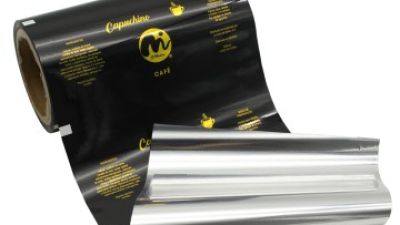
Personalized food-grade film rolls provide a reliable packaging solution for coffee powder manufacturers seeking consistent freshness and product protection. Produced by experienced China-based factories, these polymer films can be tailored to different bag sizes, filling systems, thickness requirements, and printing needs. Their strong moisture barrier helps prevent powder clumping, while effective protection against oxygen, odors, microbial contamination, and foreign pollutants helps preserve the coffee’s aroma, flavor, and quality throughout storage and transportation.
Designed for efficient high-speed packaging, the rolls offer stable sealing performance and clean, durable seams that reduce the risk of leakage. Flexible material structures can support various coffee formats, including ground coffee, instant coffee, and specialty blends, while maintaining an airtight barrier after filling. Factory customization may include surface finishes, roll dimensions, heat-sealing properties, and compatible structures for vacuum or standard packaging equipment. With strict food-contact material controls and dependable production consistency, these film rolls help coffee producers extend shelf life, improve packaging efficiency, and deliver a fresh experience to consumers.
A reliable supplier provides clear material details, stable production, and documented quality checks. They explain thickness, resin type, load strength, seals, and printing accuracy. Vague promises are not enough.
Yes. Compare the sample with the approved specifications. Check weight, film clarity, odor, dimensions, and seal strength. A sample cannot guarantee every future batch, but it exposes obvious problems early.
Ask for inspections covering raw materials, production, and packing. Important checks include thickness, dimensions, tensile strength, sealing, and print accuracy. Request recent batch records. Old documents may mislead you.
Certifications provide useful evidence, but they do not replace independent verification. Confirm that reports identify the exact resin, ink, adhesive, and finished product. Generic documents deserve careful questioning.
Traceability connects each shipment with its production batch, inspection report, and packaging record. It helps identify problems when a film structure or process changes. Keep carton labels and inspection records together. Records matter.
Compare landed costs, not factory prices alone. Include materials, printing, setup fees, freight, duties, inspections, and destination charges. A low unit price may hide thinner material or weaker inspection. Price is only one signal.
Confirm the minimum order quantity, production time, payment stages, and defective-goods policy. A pilot order with limited printing can reduce early risk. Lower quantities often cost more per bag. That trade-off needs review.
Confirm carton dimensions, pallet limits, shipping terms, customs responsibilities, and destination charges. Oversized cartons can waste container space and increase freight costs. I once underestimated carton volume. The calculation changed badly.
Define rejection limits, corrective actions, record retention, and replacement procedures in the contract. Use pre-shipment inspections when the order serves several markets. Keep backup plans for delays and changing demand. No checklist removes every risk.
Choosing a reliable plastic bag supplier is essential for global buyers seeking consistent quality, competitive pricing, and dependable delivery. The best suppliers demonstrate strong manufacturing capabilities, transparent communication, stable production capacity, and experience serving international markets. Buyers should evaluate material quality, product durability, printing accuracy, customization flexibility, production lead times, and customer support. A supplier’s ability to provide different bag formats, sizes, thicknesses, colors, closures, and packaging solutions can also help meet diverse commercial requirements. Whether purchasing standard packaging or a customized Bag Of Plastic, clear technical specifications and samples should be confirmed before placing an order.
Quality control and regulatory compliance are equally important. Buyers should review relevant certifications, testing procedures, inspection records, and documentation for material safety and performance. Pricing should be assessed together with minimum order quantities, tooling or printing costs, payment terms, shipping methods, customs documentation, and delivery timelines. By comparing suppliers according to product strengths, production reliability, compliance standards, and total landed cost, global buyers can reduce sourcing risks and build more efficient, long-term supply relationships.